
Prescription Pain Medication in Australia: A Complete Guide for Patients and Healthcare Awareness
Prescription pain medication plays a major role in managing acute and chronic pain across Australia. However, because these medicines are tightly regulated, understanding how they work, how they are prescribed, and what alternatives exist is essential for safe and effective use. In this comprehensive guide, we explore everything Australians need to know about prescription pain relief, including access, safety, types of medications, and medical guidelines.
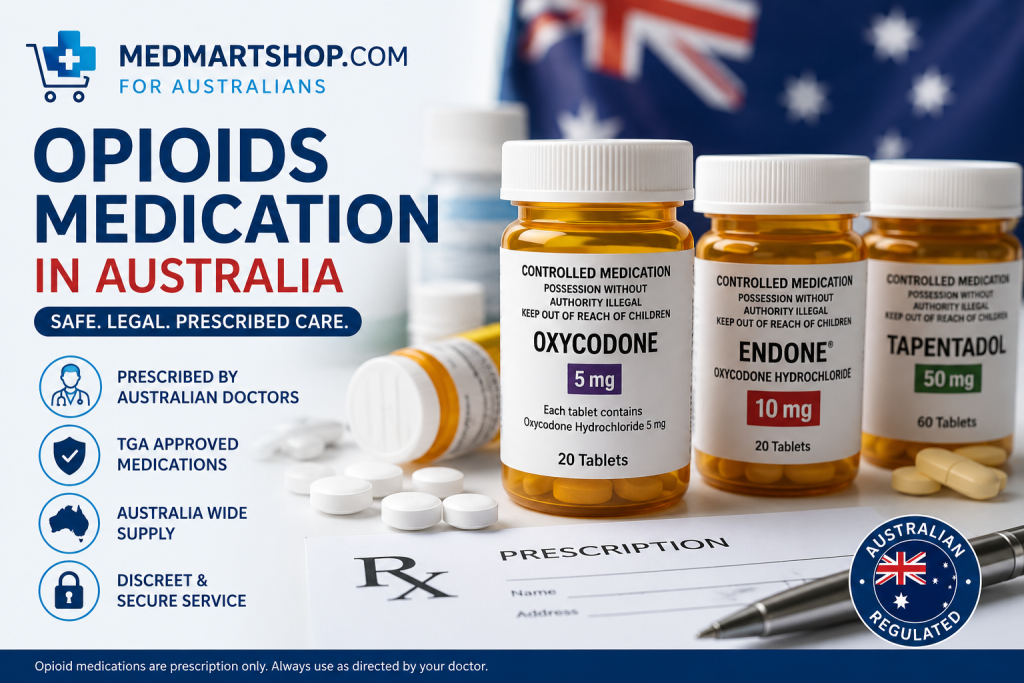
Understanding Prescription Pain Medication in Australia
Prescription pain medications are drugs that can only be legally supplied with a doctor’s prescription. In Australia, these medicines are regulated by the Therapeutic Goods Administration (TGA) and controlled under the Pharmaceutical Benefits Scheme (PBS).
Because pain varies widely—from post-surgical discomfort to long-term conditions like arthritis—doctors tailor treatment plans carefully. Moreover, pain medications are usually classified based on strength and risk of dependence.
Transitioning from mild to severe pain management often involves stepping up through different medication categories under medical supervision.
Types of Prescription Pain Medication Available in Australia
Australia offers several categories of pain relief medications, each suited to different levels of pain severity.
1. Non-Opioid Prescription Pain Relievers
These are typically used for mild to moderate pain.
- Paracetamol (in higher prescription strengths)
- NSAIDs such as diclofenac or meloxicam
- COX-2 inhibitors like celecoxib
These medications are commonly used for conditions like muscle pain, headaches, and arthritis. In addition, they are generally considered safer for long-term use under supervision.
2. Weak Opioids
For moderate pain that does not respond to non-opioids, doctors may prescribe weaker opioids.
- Codeine (often combined with paracetamol)
- Tramadol
These medications act on the central nervous system. However, they require careful monitoring due to potential side effects such as dizziness, nausea, and dependence.
3. Strong Opioids
Strong opioids are reserved for severe or cancer-related pain.
- Morphine
- Oxycodone
- Fentanyl patches
- Hydromorphone
These medications are highly effective, yet they carry significant risks. Therefore, they are strictly controlled and usually prescribed by specialists or for short-term use after surgery.
How Prescription Pain Medication Is Regulated in Australia
Australia has strict laws governing pain medications, especially opioids. These regulations exist to reduce misuse while ensuring patients with legitimate pain can access treatment.
Doctors must:
- Assess pain severity before prescribing
- Follow PBS guidelines
- Monitor patient response regularly
- Limit quantities where necessary
Furthermore, some opioids require additional prescription authority depending on the state or territory.
The Role of the PBS (Pharmaceutical Benefits Scheme)
The PBS helps reduce the cost of prescription medicines for Australians. Many pain medications are subsidised, making treatment more affordable.
However, eligibility rules apply, and not all medications are fully covered. In some cases, patients may pay a higher out-of-pocket cost for newer or specialised pain treatments.
Transitioning between PBS-listed medications is often guided by treatment response and medical necessity.
Conditions Commonly Treated with Prescription Pain Medication
Prescription pain relief is used for a wide range of medical conditions in Australia, including:
- Arthritis and joint disorders
- Post-surgical pain
- Cancer-related pain
- Back and neck injuries
- Nerve pain (neuropathy)
- Severe migraines
Additionally, chronic pain management often requires a combination of medications and non-drug therapies.
Risks and Side Effects of Pain Medications
Although effective, prescription pain medications can cause side effects.
Common side effects include:
- Nausea and vomiting
- Constipation
- Drowsiness
- Dizziness
- Stomach irritation (NSAIDs)
More serious risks, particularly with opioids, include:
- Dependence and addiction
- Respiratory depression
- Tolerance buildup
- Overdose risk
Therefore, doctors carefully balance benefits and risks before prescribing long-term treatment.
Safe Use Guidelines for Patients in Australia
Safe use of prescription pain medication is critical. Patients are encouraged to:
- Follow exact dosing instructions
- Avoid mixing with alcohol
- Inform doctors about all other medications
- Store medicines securely
- Never share prescriptions
In addition, regular follow-ups help ensure medications remain effective and safe over time.
Non-Drug Pain Management Options
Australia’s healthcare system increasingly supports multimodal pain management. This means combining medication with non-drug treatments such as:
- Physiotherapy
- Exercise programs
- Cognitive behavioural therapy (CBT)
- Acupuncture
- Heat and cold therapy
These approaches can reduce dependence on medication while improving long-term outcomes.
The Opioid Safety Strategy in Australia
Due to rising concerns about opioid misuse globally, Australia has introduced strict opioid stewardship programs. These initiatives aim to:
- Reduce unnecessary opioid prescriptions
- Improve patient education
- Increase access to alternative treatments
- Monitor prescribing patterns
As a result, doctors are encouraged to prescribe opioids only when absolutely necessary and for the shortest duration possible.
Accessing Prescription Pain Medication in Australia
To obtain prescription pain medication, patients must:
- Consult a GP or specialist
- Receive a clinical assessment
- Obtain a valid prescription
- Fill it at a licensed pharmacy
In some cases, telehealth consultations are also available, especially for ongoing pain management.
When to Seek Medical Advice
Patients should seek medical attention if:
- Pain persists despite medication
- Side effects become severe
- There are signs of dependency
- Pain suddenly worsens
Early intervention can prevent complications and improve treatment outcomes.
Conclusion
Prescription pain medication in Australia is carefully regulated to ensure safety while providing effective relief for those in need. Although opioids and stronger medications are available, they are used cautiously and often as part of a broader treatment plan.
Ultimately, successful pain management relies on a combination of medical supervision, patient responsibility, and alternative therapies. By understanding how these medications work and how they are controlled, Australians can make safer and more informed health decisions.