
Opioid Medications in Australia: A Complete Guide to Safe Use, Regulation, and Pain Management
Opioid medications play a critical role in managing moderate to severe pain in Australia. However, they are also among the most tightly controlled medicines due to their high risk of dependence, misuse, and overdose. Therefore, understanding how opioids work, how they are regulated, and how they should be used safely is essential for both patients and healthcare professionals.
This comprehensive guide explores opioid medications in Australia in detail, including types, prescribing rules, risks, alternatives, and national safety strategies.
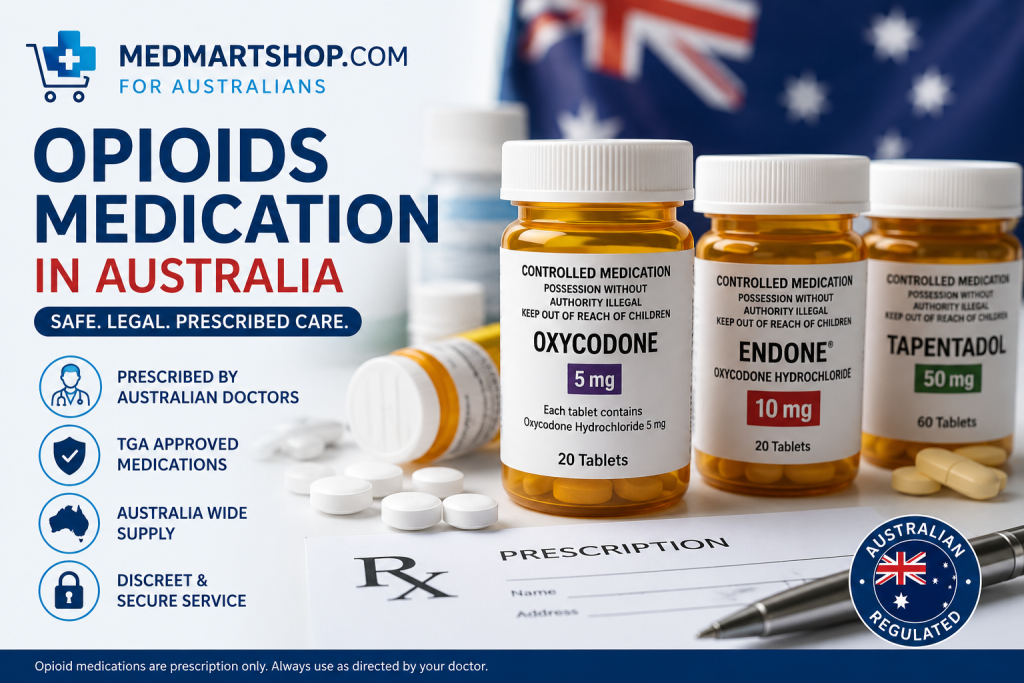
Understanding Opioid Medications in Australia
Opioids are a class of prescription pain-relieving drugs that act on the central nervous system. They change how the brain and body perceive pain, which makes them highly effective for severe pain conditions.
In Australia, opioids are only available with a prescription from a licensed medical practitioner. Moreover, they are regulated by the Therapeutic Goods Administration (TGA) and monitored under strict national and state-based laws.
Because of their potency, opioids are usually reserved for situations where other pain relief options have not worked.
Common Opioid Medications Prescribed in Australia
Several opioid medications are legally available in Australia. Each one varies in strength, duration, and medical use.
1. Weak Opioids
These are typically used for moderate pain.
- Codeine (often combined with paracetamol)
- Tramadol
Although considered “weak,” these medications still carry risks of dependence. Therefore, doctors prescribe them carefully and usually for short durations.
2. Strong Opioids
Strong opioids are used for severe pain, such as cancer pain, post-surgical pain, or serious injuries.
- Morphine
- Oxycodone
- Fentanyl (patches or injections)
- Hydromorphone
- Methadone (for pain and opioid dependence treatment)
Because these drugs are highly potent, they require close medical supervision and regular review.
How Opioids Work in the Body
Opioids bind to specific receptors in the brain, spinal cord, and other areas of the body. As a result, they block pain signals and reduce the emotional response to pain.
However, while they reduce pain perception, they do not treat the underlying cause of pain. Therefore, they are often combined with other treatments such as physiotherapy or surgery recovery plans.
Regulation of Opioid Medications in Australia
Australia has one of the strictest opioid regulatory systems in the world. This is because of rising concerns about opioid dependence and overdose risks.
Doctors must:
- Assess pain thoroughly before prescribing
- Follow PBS (Pharmaceutical Benefits Scheme) guidelines
- Use the lowest effective dose
- Prescribe for the shortest possible duration
- Monitor patients regularly
In addition, some opioids require authority prescriptions or specialist approval depending on the state or medication type.
The Role of the PBS in Opioid Access
The Pharmaceutical Benefits Scheme (PBS) helps reduce the cost of many opioid medications for Australian patients.
However, access is controlled. For instance, higher-strength opioids may have stricter prescribing rules or limited subsidised supply.
Transitioning between medications under the PBS is carefully managed to prevent overuse and ensure safety.
Conditions Treated with Opioid Medications
Opioids are not first-line treatments in most cases. However, they are prescribed when pain is severe or unmanageable with other options.
Common conditions include:
- Cancer-related pain
- Post-surgical recovery
- Severe injury or trauma
- Chronic back pain (in limited cases)
- Palliative care
- Severe neuropathic pain (in selected cases)
Nevertheless, long-term opioid use for chronic non-cancer pain is increasingly discouraged in Australia.
Risks and Side Effects of Opioids
While opioids can be effective, they also carry significant risks.
Common side effects:
- Drowsiness and fatigue
- Constipation
- Nausea and vomiting
- Dizziness
- Confusion
Serious risks:
- Physical dependence
- Addiction (opioid use disorder)
- Respiratory depression
- Overdose
- Tolerance (requiring higher doses for the same effect)
Therefore, ongoing medical review is essential for anyone using opioids.
Opioid Dependence and Addiction Risks
Opioid dependence can develop even when medications are taken as prescribed. Over time, the body adapts, and stopping suddenly may cause withdrawal symptoms.
These symptoms may include:
- Anxiety and irritability
- Muscle pain
- Sweating
- Insomnia
- Nausea
Because of this, doctors gradually reduce doses rather than stopping abruptly when discontinuation is needed.
Safe Use of Opioids in Australia
Safe opioid use requires cooperation between patients and healthcare providers.
Patients are advised to:
- Take medications exactly as prescribed
- Avoid alcohol and sedatives
- Store medicines securely
- Never share prescriptions
- Attend regular medical reviews
In addition, pharmacists play a key role in counselling patients on safe use and identifying potential misuse risks.
Australia’s Opioid Stewardship Strategy
Australia has introduced strong opioid stewardship programs to reduce harm and improve prescribing practices.
These strategies aim to:
- Reduce unnecessary opioid prescriptions
- Promote non-opioid alternatives
- Improve patient education
- Monitor prescribing patterns nationwide
- Prevent diversion and misuse
As a result, prescribing practices have become more cautious and evidence-based.
Non-Opioid Alternatives for Pain Management
Because of opioid risks, Australia increasingly encourages alternative pain treatments.
These include:
- Paracetamol and NSAIDs
- Physiotherapy and rehabilitation
- Cognitive behavioural therapy (CBT)
- Exercise programs
- Nerve block procedures
- Acupuncture and complementary therapies
Furthermore, multimodal pain management is widely recommended for chronic pain conditions.
Hospital and Specialist Role in Opioid Use
Hospitals and pain specialists play a major role in managing opioid therapy.
They ensure:
- Accurate diagnosis of pain conditions
- Controlled prescribing during recovery
- Gradual dose adjustments
- Transition to non-opioid therapies when possible
Pain clinics across Australia also provide long-term management strategies for complex cases.
When Opioids Are Not Recommended
Opioids are generally avoided in:
- Mild pain conditions
- Long-term chronic non-cancer pain
- Headaches or migraines
- Fibromyalgia (in most cases)
Instead, doctors focus on safer and more sustainable treatments.
Signs of Opioid Misuse to Watch For
Early recognition of misuse is important.
Warning signs may include:
- Taking higher doses than prescribed
- Frequent requests for early refills
- Mood or behaviour changes
- Seeking multiple prescriptions
- Loss of control over usage
If these signs appear, medical intervention should occur immediately.
Conclusion
Opioid medications in Australia remain an important tool for managing severe pain. However, they are carefully regulated due to their high risk profile. Through strict prescribing laws, PBS controls, and national opioid stewardship programs, Australia aims to balance effective pain relief with patient safety.
Ultimately, opioids should always be used as part of a broader, carefully managed treatment plan. With proper medical supervision, patient education, and alternative therapies, safe and effective pain management is achievable while reducing the risks associated with long-term opioid use.