
What Is MDMA in Australia? A Guide to Its Legal Status, Therapeutic Use, and Illicit Risks
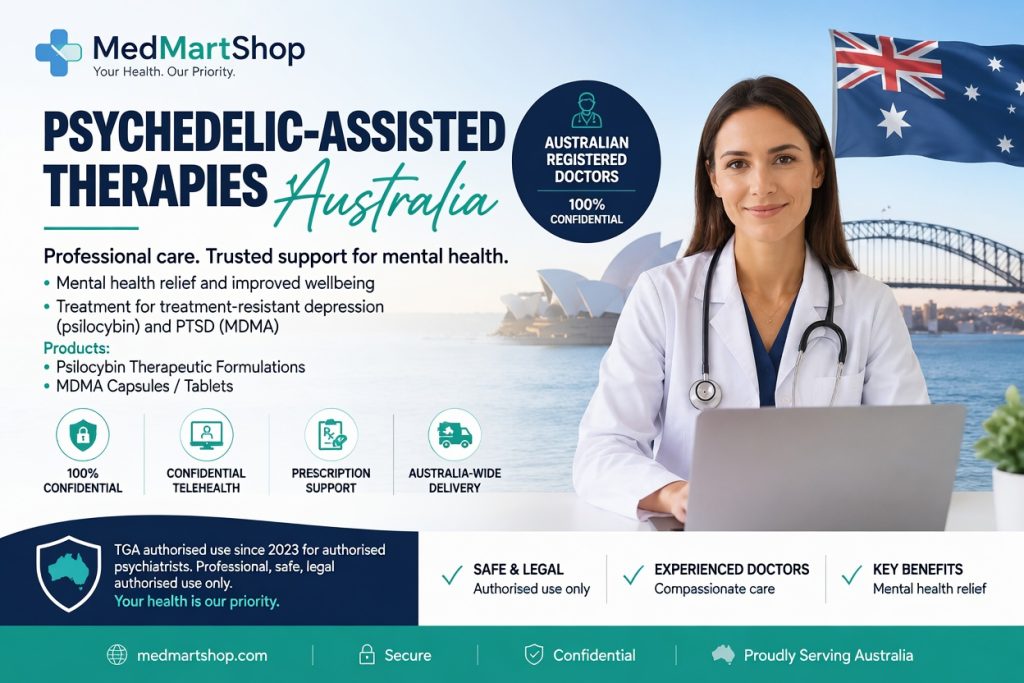
MDMA, commonly known as ecstasy or molly, is a synthetic drug. It has occupied a unique and complex place in Australian society for decades. It produces feelings of euphoria, emotional warmth, and enhanced sensory perception. However, if you are asking what MDMA is in Australia today, the answer has two distinct parts. For general use, MDMA remains an illegal, prohibited substance. Nevertheless, since July 1, 2023, a landmark change has created a strictly controlled medical exception for the treatment of post-traumatic stress disorder (PTSD) . This guide provides an Australian-focused overview of MDMA, its history, its current legal status, and its new role in mental health treatment.
What Is MDMA?
MDMA, which stands for 3,4-methylenedioxymethamphetamine, is a psychoactive drug. It alters mood and perception. This is a synthetic compound. It produces effects that are a mix of a stimulant (like amphetamine) and a mild hallucinogen. Common effects include increased energy, feelings of empathy and emotional openness, and distorted time perception. These effects have made it a popular recreational drug at music festivals and nightclubs for decades.
However, it is also a powerful substance that can have serious side effects, including elevated heart rate, overheating (hyperthermia), and, in severe cases, death. Its potential for harm is why it has been classified as a prohibited substance for general use.
The General Law: MDMA Is a Prohibited Substance
For all non-medical purposes, MDMA remains a Schedule 9 (Prohibited Substance) in the Poisons Standard . This classification means it is illegal to possess, use, or supply MDMA for recreational or general use. Possession can lead to serious criminal penalties, including fines and imprisonment. In most states and territories, penalties escalate with the quantity involved, and supplying MDMA is treated as a more serious offence than simple possession.
The Medical Exception: A New Pathway for Patients
In a landmark shift, Australia became the first country to reschedule MDMA as a medicine for a specific therapeutic use . Since July 1, 2023, the Therapeutic Goods Administration (TGA) has permitted authorised psychiatrists to prescribe MDMA for the treatment of post-traumatic stress disorder (PTSD) .
What This Means
For this specific use, MDMA is now a Schedule 8 (Controlled Drug) medicine . It is legally manufactured and supplied in Australia. A Brisbane-based company, Breathe Life Sciences, has been granted a licence to manufacture MDMA for therapeutic use, and it is now being packed into capsules for hospitals and clinics across the country . This represents a significant shift from the drug’s illegal, underground history.
How It Works
MDMA-assisted therapy is not a simple pill. It is a resource-intensive process that combines a few carefully controlled MDMA sessions with comprehensive psychological support. During a session, a patient takes the MDMA in a comfortable setting, supported by a team of therapists. The drug is thought to reduce fear and anxiety, allowing the patient to process traumatic memories without being overwhelmed .
Who Can Prescribe?
Only psychiatrists registered with the Medical Board of Australia who are Fellows of the Royal Australian and New Zealand College of Psychiatrists (RANZCP) can prescribe MDMA . They must also be approved as an Authorised Prescriber (AP) by the TGA, a process that requires a treatment protocol and ethics approval .
Patient Outcomes and Safety
The early results from Australia’s program have been promising. More than half of patients who received MDMA with psychotherapy have reported significant relief from PTSD . Australian drug regulators have not recorded any serious adverse events among the nearly 200 patients who have been through the program since it started . Data confirms that no serious adverse events have been reported under the AP scheme since December 2025 .
What a Session Is Like
For patients like Jess Yugovich, who lost her three-year-old daughter, the therapy was life-changing. She described the experience as having “a bird’s-eye view of my entire life” and being able to process traumas she had been unable to confront . The process involves three dosing days spread over a few weeks, with each session lasting about six hours .
Access, Costs, and Challenges
Despite its promise, the therapy remains expensive and limited. With an average cost of $20,000 for up to three dosing sessions and 40 hours of counselling, MDMA therapy is largely out of reach for many of the estimated one million Australians who suffer from PTSD .
- Cost: The high cost is the most significant barrier .
- Workforce: Fewer than 50 psychiatrists are authorised to prescribe the drugs in a country of 28 million people, and most practice in a handful of coastal cities .
- Licensing: The licensing process, which includes ethics panel approval, can take up to six months .
- Awareness: Government advertising restrictions mean many patients are unaware the therapies exist .
The RANZCP has developed a framework to assist psychiatrists in ensuring they have undertaken appropriate training to deliver this therapy . The TGA also requires psychiatrists to submit six-monthly reports on the number of patients they treat.
The Manufacturing Hub: Legal Production in Australia
MDMA is now legally manufactured in Australia. At the Breathe Life Sciences facility in Brisbane, the drug is produced to strict pharmaceutical standards. It is tested multiple times for impurities, including heavy metals, pesticides, and bacteria, to ensure chemical consistency . More than 3 million products are manufactured each year for more than 300 clients, though MDMA and psilocybin make up about 1–2% of sales .
Illicit MDMA and Public Health Warnings
While MDMA is used therapeutically, the illicit market remains active and poses significant health risks. Public health authorities have repeatedly warned about high-dose MDMA products circulating in the community. Signs of overdose include severe agitation, raised body temperature, seizures, irregular heart rhythm, confusion, vomiting, and loss of consciousness. If you or someone you know experiences these symptoms, call Triple Zero (000) immediately.
Conclusion
MDMA in Australia has two distinct identities. It is a dangerous, illegal drug for general use, with serious criminal penalties for possession. However, it is also a pioneering, legally manufactured medicine for the treatment of PTSD, accessible only through a strict, regulated medical pathway. For patients with treatment-resistant PTSD who have exhausted other options, this therapy represents a new frontier. However, the path to access remains challenging and expensive. This guide is for educational and research purposes only and does not constitute legal or medical advice.