
What Does MDMA Do in Australia? A Guide to Its Effects, Risks, and Therapeutic Use
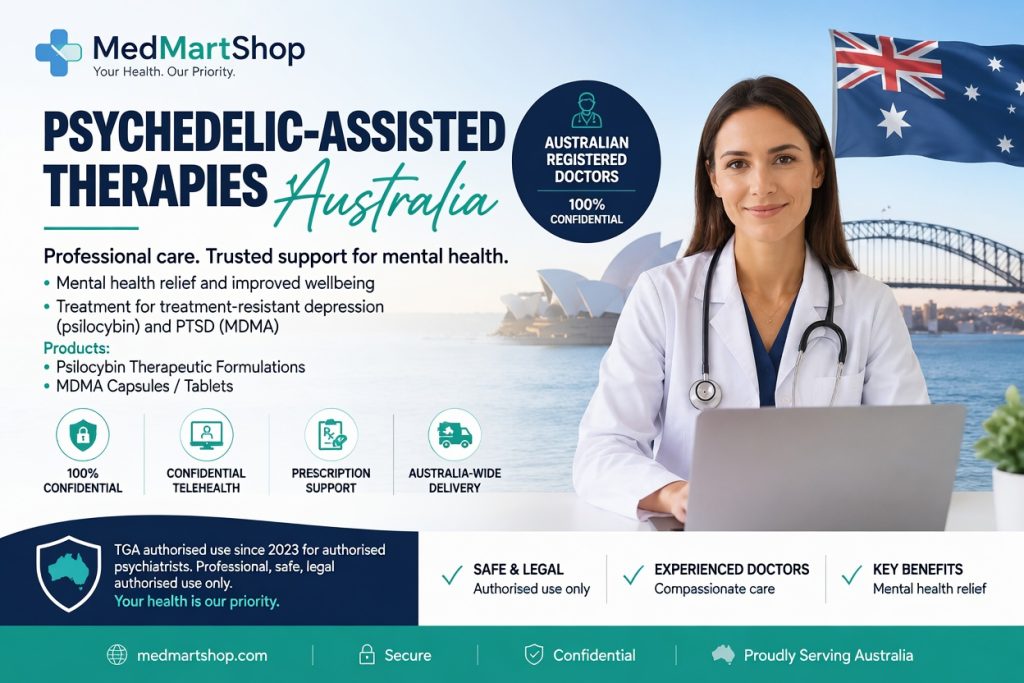
MDMA, commonly known as ecstasy, is a synthetic drug that produces a mix of stimulant and hallucinogenic effects. It is known for creating feelings of euphoria, emotional warmth, and enhanced sensory perception . However, MDMA is also a powerful substance with significant risks. In Australia, it is illegal for general use . Nevertheless, since July 2023, the Therapeutic Goods Administration (TGA) has permitted its use in a strictly controlled medical setting for the treatment of PTSD . This guide provides an Australian-focused overview of what MDMA does, its effects, its risks, and its evolving therapeutic role.
The Acute Effects: What It Feels Like
MDMA starts to work about 20 to 60 minutes after you take it, and the effects usually last for at least 3 to 4 hours . It can make you feel euphoric, energetic, confident, and very affectionate towards other people . The drug works by causing high levels of dopamine to be released in the brain, which is associated with pleasure and reward. It also releases serotonin and noradrenaline, leading to mood elevation and increased energy .
If you take a lot of MDMA or have a strong batch, you may also feel like you are floating or hallucinate (see or hear things that are not real) . However, it can also cause unwanted effects, such as sweating, overheating, clenching your jaw, and a faster heartbeat . The effects can vary significantly based on how much you take, the strength of the drug, your size, and whether you are used to taking it .
Short-Term Risks and Adverse Effects
MDMA can cause a range of short-term physical and psychological effects. These include dehydration, overheating (hyperthermia), anxiety, and dental problems from jaw clenching . The “comedown” after taking MDMA can leave you feeling irritable, anxious, and paranoid, with trouble sleeping and concentrating . A “hangover effect” can also cause reduced appetite, disturbed sleep, muscle aches, and depression for days after use .
Overheating and Dehydration
Overheating and dehydration are serious and potentially fatal problems, especially when taking MDMA in hot, crowded environments like music festivals . If you are dancing, you should take regular breaks to cool down and sip water—about one cup every half hour . It is also dangerous to drink too much water, as this can lead to water intoxication.
High-Dose MDMA Risks
NSW Health has issued repeated warnings about high-dose MDMA tablets and capsules circulating in the state . These tablets can contain over 150mg of MDMA, which is a high dose . High-dose MDMA use has been linked to death and other serious harms . The risk of harm increases if you take multiple tablets, use other stimulants, or take MDMA in a hot environment .
Signs of MDMA Overdose
Signs that someone has taken too much MDMA include a fast heartbeat, very high temperature, agitation, confusion, convulsions, and vomiting . An MDMA overdose can lead to a coma or death . If you think someone has overdosed, call Triple Zero (000) for an ambulance immediately .
Long-Term Mental Health Risks
A major Australian longitudinal study from Victoria found that MDMA use in early adulthood appears to be associated with increased odds of anxiety disorders but not depressive disorders by the mid-30s . The study found that frequent MDMA use was linked to 2.56 times the odds of an anxiety disorder compared to non-users . This suggests that while MDMA may not create classical physical dependence, it carries significant long-term mental health risks.
The Therapeutic Use of MDMA in Australia
In a landmark shift, Australia became the first country to allow authorised psychiatrists to prescribe MDMA for the treatment of post-traumatic stress disorder (PTSD) . This is known as MDMA-assisted psychotherapy (MDMA-AP). It is a highly regulated, resource-intensive process that combines a small number of MDMA dosing sessions with extensive psychological support .
The First Clinical Guideline
Australia’s first clinical guideline on MDMA-assisted psychotherapy was published in 2025 . The draft guideline conditionally recommends against the routine use of MDMA-AP for PTSD . Its use should be limited to adults over 18 with PTSD symptoms for at least six months who have failed first-line evidence-based treatments .
Who Can Prescribe?
Only psychiatrists registered with the Medical Board of Australia who are Fellows of the Royal Australian and New Zealand College of Psychiatrists (RANZCP) can prescribe MDMA . They must also be approved as an Authorised Prescriber (AP) by the TGA .
How It Works
MDMA is not a simple pill. It is a carefully controlled psychotherapeutic intervention. The drug reduces fear and anxiety, allowing the patient to process traumatic memories without being overwhelmed . The TGA’s decision to permit prescribing was based on an evaluation of the therapeutic value, benefits, and risks of MDMA .
Harm Reduction and Safety
Drug Checking Services
Pill testing or drug checking centres are now available in some parts of Australia . These services can tell you if your pills are very strong or mixed with other substances . Knowing what is in the pills you take can help you make safer choices.
What to Do in an Emergency
If you or someone you know experiences symptoms like feeling really hot, a racing heart, confusion, or vomiting after taking MDMA, get help immediately by calling Triple Zero (000) . You won’t get into trouble for seeking medical care .
Conclusion
MDMA is a powerful psychoactive drug that produces euphoria and increased energy. However, it also carries significant risks, including overheating, dehydration, and long-term anxiety. In Australia, it is illegal for general use. However, a pioneering medical exception now allows authorised psychiatrists to prescribe MDMA for PTSD in a strictly controlled clinical setting. For patients with treatment-resistant PTSD, this therapy offers new hope, but it is not a general relaxation of the law. This guide is for educational and research purposes only and does not constitute legal or medical advice. If you are concerned about drug use, please seek professional guidance.