
Tooth Pain Medication in Australia: Complete Guide to Relief and Treatment
Tooth pain can strike suddenly and disrupt daily life for many Australians. Consequently, it ranks among the most common reasons people seek urgent dental care. In this comprehensive guide, we explore everything you need to know about tooth pain medication in Australia. From over-the-counter options to prescription treatments, we cover causes, effective relief strategies, PBS subsidies, and practical advice tailored to the Australian healthcare system. Moreover, we emphasise when to see a dentist and how to prevent future episodes.
Understanding Tooth Pain in the Australian Context
Tooth pain, also known as dental pain or odontalgia, occurs when nerves in or around a tooth become irritated. Unlike general aches, it often signals an underlying issue that requires professional attention. For example, Australians frequently experience tooth pain due to untreated decay, infections, or trauma. According to health reports, dental problems affect millions nationwide, particularly in regional and remote areas where access to dentists remains limited. Furthermore, untreated tooth pain can lead to more serious complications, including abscesses and systemic infections.
However, effective management is readily available. In addition, combining appropriate medication with timely dental care helps most patients achieve rapid relief. Therefore, understanding your options under the Australian system becomes essential.
Common Causes of Tooth Pain Across Australia
Several factors contribute to tooth pain. Primarily, dental caries (cavities) represent the leading cause. Additionally, cracked teeth, gum disease (periodontitis), impacted wisdom teeth, and sinus infections frequently trigger symptoms. Meanwhile, grinding (bruxism) and sensitivity from worn enamel affect many adults, especially those consuming acidic foods and beverages common in the Australian diet.
For instance, residents in fluoridated cities like Sydney and Melbourne generally experience lower decay rates. Yet, people in non-fluoridated or rural areas often face higher risks. As a result, early identification of the cause determines the most suitable medication and treatment plan.
When to Seek Professional Dental Help
Importantly, not all tooth pain requires immediate emergency care. Nevertheless, certain symptoms demand prompt action. If you experience severe pain, swelling, fever, difficulty swallowing, or pain lasting more than two days, consult a dentist urgently. In Australia, public dental waiting lists can be long. Consequently, many patients initially rely on private clinics or hospital emergency departments for acute relief.
Moreover, the Australian Dental Association recommends regular check-ups every six to twelve months. Thus, preventive visits help avoid the need for strong pain medication altogether.
Over-the-Counter Tooth Pain Medications
Most Australians start with accessible over-the-counter (OTC) options. Primarily, paracetamol (Panadol) and ibuprofen (Nurofen) serve as first-line choices. For example, ibuprofen reduces both pain and inflammation effectively. However, paracetamol offers a gentler alternative for those with stomach sensitivities.
Typically, adults take 500–1000 mg of paracetamol every four to six hours, while ibuprofen dosing reaches 200–400 mg. Additionally, combination products containing codeine (e.g., Panadeine) provide stronger relief but require careful use due to potential side effects. Yet, codeine-containing medicines face stricter regulations following scheduling changes by the Therapeutic Goods Administration (TGA).
In contrast, topical gels such as Orajel or Bonjela offer localised numbing for gum-related pain. Furthermore, these prove particularly useful for children and elderly patients who may struggle with oral tablets.
Prescription Medications for Severe Tooth Pain
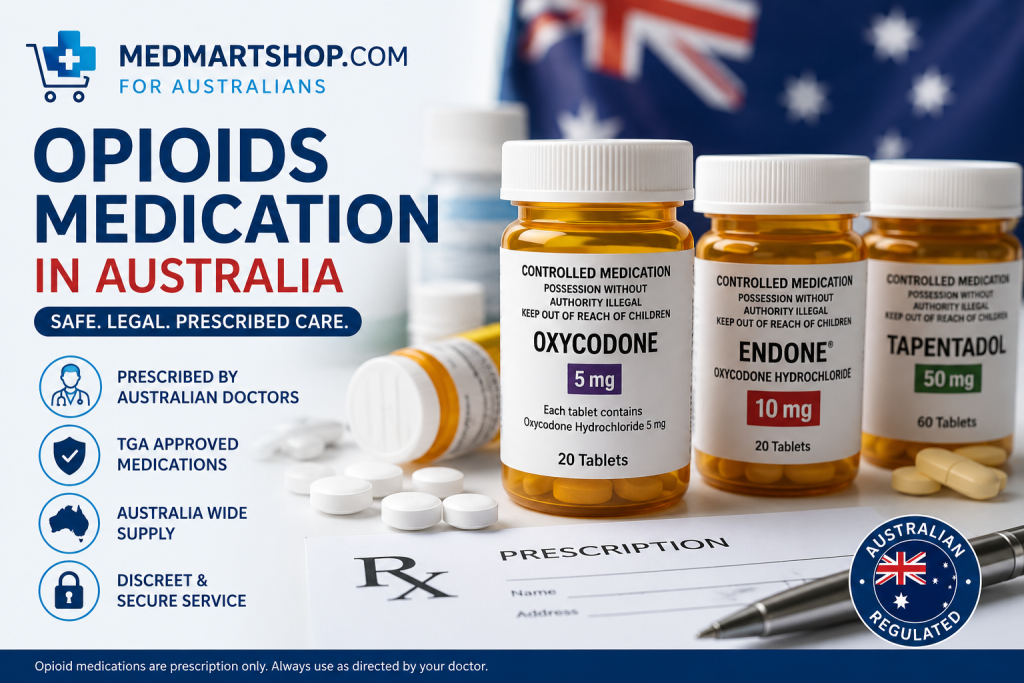
When OTC medications prove insufficient, dentists prescribe stronger options. Notably, stronger opioids like oxycodone or tramadol may be issued for short-term use following procedures such as extractions or root canals. However, Australian guidelines discourage long-term opioid use for dental pain due to addiction risks. Therefore, prescriptions remain limited to a few days’ supply.
Additionally, anti-inflammatory medications like higher-dose ibuprofen or diclofenac may be recommended. Meanwhile, for nerve-related or persistent pain, some practitioners consider medications similar to those used for neuropathic pain, although these remain less common for purely dental issues.
Importantly, all prescription pain relief must align with individual health profiles. Consequently, doctors and dentists review medical history, allergies, and other medications before prescribing.
Antibiotics When Infection Is Present
Tooth pain often stems from bacterial infections. In such cases, antibiotics become necessary. For example, amoxicillin or metronidazole target common oral bacteria effectively. Nevertheless, antibiotics do not relieve pain directly. Thus, they are almost always prescribed alongside pain medication.
In Australia, the TGA and dental associations promote responsible antibiotic use to combat resistance. As a result, dentists prescribe them only when clear signs of infection exist, such as swelling or pus. Furthermore, patients with compromised immune systems or heart conditions may receive preventive antibiotics before procedures.
Accessing Medications Through the PBS
The Pharmaceutical Benefits Scheme (PBS) makes essential tooth pain medications affordable for Australians. For instance, many antibiotics and basic pain relievers qualify for subsidy, reducing costs to standard co-payments (around $7.70 for concessional patients as of 2025). Similarly, certain stronger analgesics appear on the Repatriation Pharmaceutical Benefits Scheme (RPBS) for veterans.
However, some combination codeine products and newer formulations may require private payment. Therefore, patients should discuss costs with their pharmacist. Moreover, the PBS Safety Net helps families and individuals manage expenses once they reach annual thresholds. In addition, concession card holders, including pensioners and healthcare card recipients, benefit from significantly lower prices.
Home Remedies and Supportive Care
Medication works best alongside supportive measures. For example, rinsing with warm saltwater reduces swelling and cleans the area. Additionally, cold compresses applied to the cheek for 10–15 minutes provide natural numbing. Meanwhile, clove oil or crushed garlic offer traditional relief, although evidence remains limited.
Nevertheless, these remedies should never replace professional dental treatment. Thus, they serve only as temporary bridges until you can visit a dentist. Furthermore, maintaining good oral hygiene with fluoride toothpaste and flossing prevents many episodes.
Special Considerations for Different Populations
For children, tooth pain requires age-appropriate dosing. Consequently, parents should consult pharmacists or dentists before administering medication. In contrast, elderly Australians often take multiple medications, increasing interaction risks. Therefore, careful monitoring becomes vital.
Pregnant women face restricted options. For instance, paracetamol remains the safest choice, while ibuprofen is generally avoided in later trimesters. Likewise, Aboriginal and Torres Strait Islander communities can access culturally sensitive care through Indigenous health services and programs like the Closing the Gap initiative.
Additionally, rural Australians benefit from telehealth consultations and outreach dental services. Thus, geographic barriers continue to decrease thanks to government initiatives.
Emergency Dental Services in Australia
When pain becomes unbearable, several emergency pathways exist. Primarily, hospital emergency departments handle severe cases, especially those involving facial swelling or breathing difficulties. However, dedicated dental emergency clinics operate in major cities. Moreover, many private dentists offer after-hours services.
Importantly, state health departments provide directories of emergency providers. For example, NSW Health and Victorian services list options online. Consequently, knowing local resources helps Australians respond quickly.
Prevention Strategies for Long-Term Oral Health
Preventing tooth pain proves far better than treating it. Primarily, regular brushing, flossing, and dental visits form the foundation. Furthermore, reducing sugar intake and quitting smoking significantly lower risks. In addition, community water fluoridation programs across Australia continue to protect teeth effectively.
Meanwhile, mouthguards for sports and night guards for grinding protect against trauma and wear. Therefore, proactive habits help Australians maintain healthy smiles throughout life.
Emerging Trends and Future Outlook
Dental care in Australia continues evolving. For instance, new pain management techniques and minimally invasive procedures reduce the need for strong medications. Although access challenges persist in some areas, tele-dentistry and expanded public services offer promising improvements.
The Australian Dental Association regularly updates guidelines to reflect best practices. Consequently, patients benefit from evidence-based care that balances effective pain relief with safety.
Practical Tips for Managing Tooth Pain in Australia
- Act quickly: Address pain early before it worsens.
- Track symptoms: Note what makes pain better or worse.
- Use medications wisely: Follow dosage instructions carefully.
- Combine approaches: Pair medication with home remedies and professional care.
- Check eligibility: Ask about PBS subsidies and concession cards.
- Prevent recurrence: Maintain excellent oral hygiene and schedule regular check-ups.
In conclusion, tooth pain remains highly manageable with the wide range of medications and services available in Australia. While temporary relief comes from paracetamol, ibuprofen, and prescription options, addressing the root cause through dental treatment delivers lasting results. Ultimately, combining appropriate tooth pain medication with preventive care and professional support allows Australians to minimise discomfort and protect their oral health.
If you currently experience tooth pain, contact your dentist or seek emergency care promptly. After all, a healthy smile contributes significantly to overall wellbeing and quality of life.