
Pain Relief Tablets in Australia: A Complete Guide to Safe Use, Options, and Pain Management
Pain relief tablets are among the most commonly used medications in Australia. They help manage everything from headaches and muscle pain to arthritis and post-surgical recovery. However, because different tablets work in different ways, understanding how they function, when to use them, and their risks is essential for safe and effective pain management.
In Australia, pain relief medication is regulated by the Therapeutic Goods Administration (TGA) and often subsidised through the Pharmaceutical Benefits Scheme (PBS). Therefore, patients must use these medicines responsibly under medical guidance.
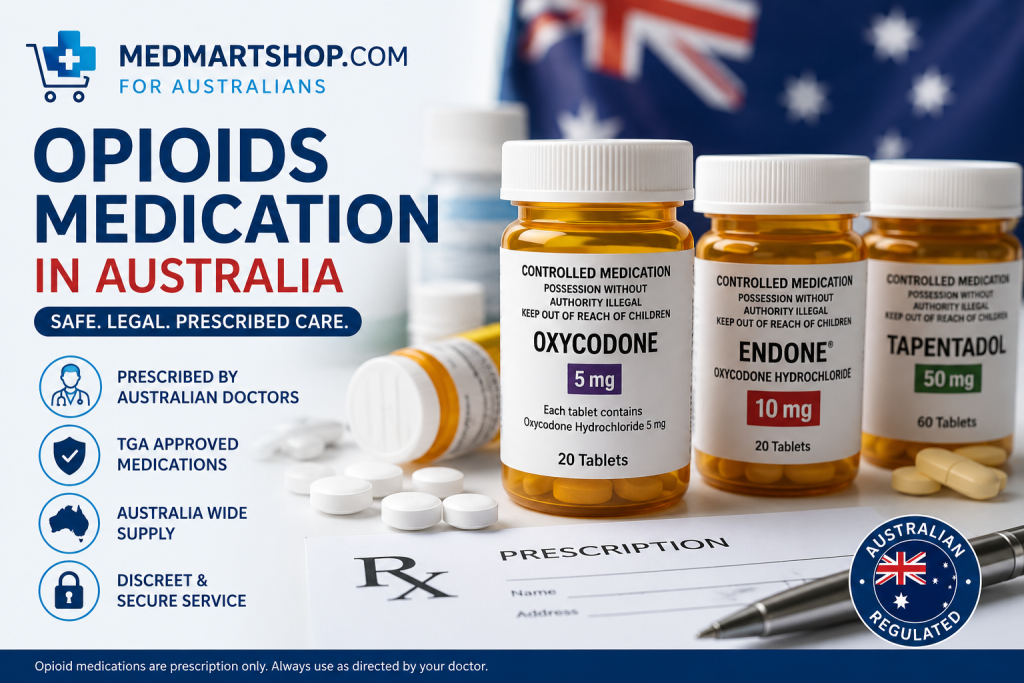
Understanding Pain Relief Tablets in Australia
Pain relief tablets are oral medications designed to reduce or block pain signals in the body. In Australia, they are widely available both over-the-counter and by prescription.
Generally, they are classified into:
- Non-prescription (over-the-counter) tablets
- Prescription-strength pain relief tablets
Moreover, each category serves different pain levels, from mild discomfort to severe chronic conditions.
Common Types of Pain Relief Tablets in Australia
Australia offers a wide range of pain relief tablets. Each type works differently and is used for specific conditions.
1. Paracetamol-Based Tablets
Paracetamol is one of the most commonly used pain relievers in Australia.
It is used for:
- Headaches
- Fever
- Mild muscle pain
- Cold and flu symptoms
Although it is widely available, safe dosage is critical because overdose can damage the liver.
2. Non-Steroidal Anti-Inflammatory Drugs (NSAIDs)
NSAIDs reduce both pain and inflammation.
Common examples include:
- Ibuprofen
- Diclofenac
- Naproxen
- Celecoxib (prescription-only)
These tablets are often used for:
- Arthritis
- Sports injuries
- Back pain
- Dental pain
However, long-term use may cause stomach irritation or cardiovascular risks.
3. Combination Pain Relief Tablets
In Australia, combination tablets are also widely prescribed.
Examples include:
- Paracetamol + codeine
- Ibuprofen + paracetamol combinations
These are used when single medications are not strong enough.
However, codeine-containing products are now strictly regulated due to dependence risks.
4. Prescription Pain Relief Tablets
For moderate to severe pain, doctors may prescribe stronger medications.
These include:
- Tramadol
- Oxycodone
- Morphine (oral formulations)
- Tapentadol
Because these medications are powerful, they are tightly controlled in Australia.
How Pain Relief Tablets Work
Pain relief tablets work in different ways depending on their type.
- Paracetamol reduces pain signals in the brain
- NSAIDs reduce inflammation at the source
- Opioids block pain perception in the central nervous system
Because of these differences, doctors select treatment based on the cause and severity of pain.
Regulation of Pain Relief Tablets in Australia
Australia has strict regulations to ensure safe use of pain medications.
The TGA ensures:
- Medicines meet safety standards
- Correct labelling and dosage instructions
- Monitoring of side effects
Meanwhile, the PBS helps reduce costs for eligible patients.
In addition, pharmacists play an important role in guiding safe usage and preventing misuse.
Conditions Treated with Pain Relief Tablets
Pain relief tablets are used for a wide range of conditions in Australia, including:
- Headaches and migraines
- Back and neck pain
- Arthritis and joint pain
- Dental pain
- Post-surgical pain
- Injury-related pain
- Menstrual cramps
- Chronic pain conditions
Furthermore, doctors often combine tablets with physiotherapy or other treatments.
Safe Use of Pain Relief Tablets
Safe use is extremely important, especially for long-term treatment.
Patients should:
- Follow prescribed dosages carefully
- Avoid mixing medications without advice
- Do not exceed daily limits
- Store tablets safely away from children
- Avoid alcohol when taking certain painkillers
Additionally, regular medical reviews help ensure continued safety and effectiveness.
Risks and Side Effects
Although pain relief tablets are effective, they can cause side effects.
Common side effects include:
- Nausea
- Drowsiness
- Stomach irritation
- Dizziness
More serious risks:
- Liver damage (paracetamol overdose)
- Kidney problems (long-term NSAID use)
- Stomach ulcers
- Dependence (opioid-based tablets)
Therefore, responsible use is essential.
Over-the-Counter vs Prescription Tablets
In Australia, pain relief tablets are divided into two categories:
Over-the-Counter (OTC)
- Paracetamol
- Ibuprofen (low dose)
- Basic combination tablets
These are available without a prescription.
Prescription-Only
- Strong NSAIDs
- Opioid medications
- High-dose combination treatments
Doctors prescribe these only when necessary.
The Role of Pharmacists in Australia
Pharmacists play a key role in pain management.
They:
- Provide advice on correct usage
- Check for drug interactions
- Monitor repeat purchases
- Educate patients on safety
Because of this, they are an important part of Australia’s healthcare system.
Alternatives to Pain Relief Tablets
Although tablets are common, Australians are encouraged to consider other pain management options.
These include:
- Physiotherapy
- Exercise programs
- Heat and cold therapy
- Massage therapy
- Acupuncture
- Cognitive behavioural therapy (CBT)
In many cases, combining treatments provides better long-term results.
Opioid Safety and Restrictions
Opioid-based pain relief tablets are tightly controlled in Australia.
Doctors now:
- Limit prescription duration
- Avoid long-term use when possible
- Monitor patients closely
- Encourage non-opioid alternatives
This helps reduce risks of dependence and overdose.
When to See a Doctor
Patients should seek medical help if:
- Pain persists for more than a few days
- Pain worsens despite medication
- Side effects become severe
- Stronger medication is needed
Early diagnosis can prevent complications and improve recovery.
Conclusion
Pain relief tablets in Australia play an important role in managing everyday pain and chronic conditions. However, safe use is essential due to potential side effects and risks associated with long-term or incorrect use.
With strict regulation by the TGA, support from pharmacists, and guidance from doctors, Australians can access effective pain relief while maintaining safety. Ultimately, the best outcomes come from combining medication with healthy lifestyle choices and proper medical care.