
Cancer Pain Medication Australia: Treatment Options, Pain Relief, and Patient Support
Introduction
Cancer pain affects many Australians living with cancer and can significantly impact physical comfort, emotional wellbeing, sleep, and quality of life. Fortunately, modern cancer care in Australia offers a wide range of medications and supportive treatments that help manage pain effectively. Depending on the type and stage of cancer, pain may result from tumours, treatments, surgery, nerve damage, or related complications. Therefore, understanding available cancer pain medications can help patients and families make informed decisions with their healthcare team.
Understanding Cancer Pain
Cancer pain can vary from mild discomfort to severe, persistent pain. Some people experience pain only occasionally, while others require ongoing treatment.
Common causes include:
- Tumour pressure on bones, nerves, or organs
- Cancer-related inflammation
- Surgery recovery
- Chemotherapy side effects
- Radiation therapy complications
- Nerve damage
- Bone metastases
Furthermore, effective pain management often improves mobility, sleep quality, mood, and overall wellbeing.
Common Cancer Pain Medications in Australia
Australian doctors develop personalised treatment plans based on pain severity, cancer type, and individual patient needs.
Paracetamol
Paracetamol is often used for mild cancer pain or alongside stronger medications. It may help reduce discomfort and improve daily functioning.
Non-Steroidal Anti-Inflammatory Drugs (NSAIDs)
NSAIDs can reduce inflammation and pain, particularly when cancer affects bones or surrounding tissues.
Examples include:
- Ibuprofen
- Naproxen
- Diclofenac
However, long-term use may require monitoring because these medicines can affect the stomach, kidneys, and cardiovascular system.
Opioid Medications
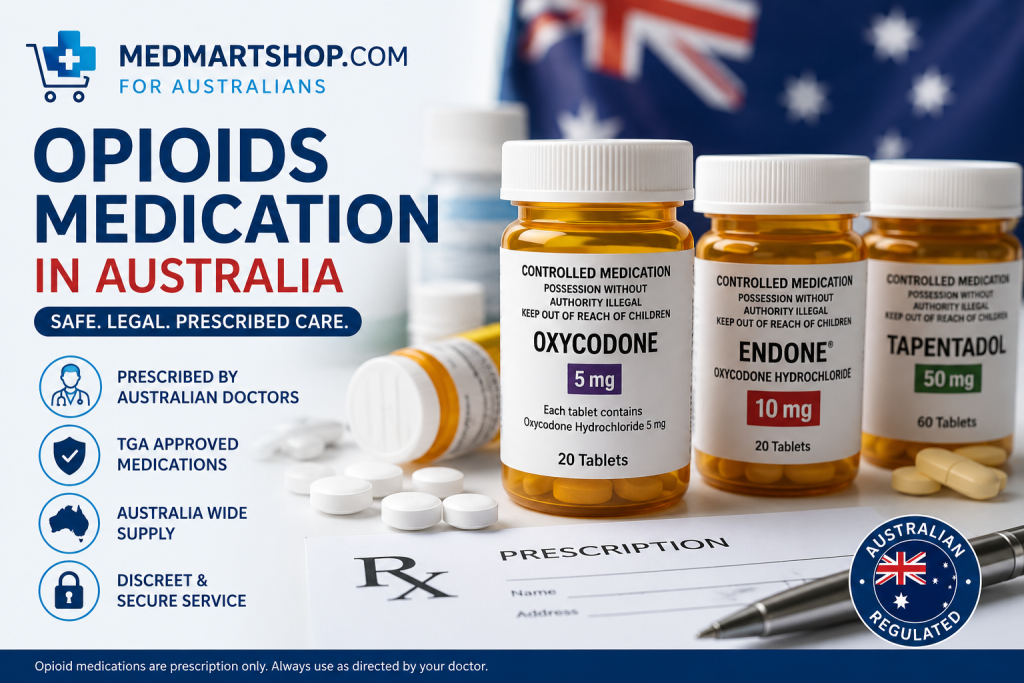
Opioids remain an important treatment option for moderate to severe cancer pain. Australian healthcare professionals may prescribe:
- Morphine
- Oxycodone
- Hydromorphone
- Fentanyl patches
- Tapentadol
- Methadone (specialist use)
These medicines work by altering how the brain and nervous system process pain signals. Consequently, many patients achieve significant symptom relief when opioids are carefully managed.
Nerve Pain Medications
Cancer can sometimes cause neuropathic pain. In these situations, doctors may prescribe:
- Gabapentin
- Pregabalin
- Duloxetine
- Amitriptyline
These medications help reduce abnormal nerve activity and may improve comfort when standard pain medicines are not sufficient.
Corticosteroids
Steroids such as dexamethasone may reduce swelling and inflammation around tumours, helping relieve pain and pressure symptoms.
Accessing Cancer Pain Medications in Australia
Many cancer pain medications are available through Australian pharmacies with a valid prescription. Additionally, numerous treatments are subsidised under the Pharmaceutical Benefits Scheme (PBS), reducing costs for eligible patients.
Furthermore, Medicare helps Australians access consultations with GPs, oncologists, palliative care specialists, and other healthcare professionals involved in pain management.
Palliative Care and Pain Management
Palliative care focuses on improving quality of life for people living with serious illnesses. Importantly, palliative care is not limited to end-of-life care.
Australian palliative care teams may provide:
- Pain assessment
- Medication management
- Symptom control
- Emotional support
- Family support services
- Home-based care
Consequently, many patients experience improved comfort and independence.
Managing Side Effects
Although pain medications can be highly effective, some side effects may occur, including:
- Drowsiness
- Constipation
- Nausea
- Dry mouth
- Dizziness
- Reduced appetite
Therefore, healthcare professionals often recommend additional treatments to minimise these effects and improve overall comfort.
Non-Medication Approaches
In addition to medication, Australian cancer care teams may recommend:
- Physiotherapy
- Gentle exercise programs
- Psychological counselling
- Relaxation techniques
- Occupational therapy
- Support groups
- Complementary therapies approved by healthcare providers
Moreover, combining medical and supportive treatments often leads to better pain control.
When to Seek Medical Advice
Patients should contact their healthcare team if:
- Pain suddenly worsens.
- Current medication is not working.
- New symptoms develop.
- Side effects become difficult to manage.
- Sleep and daily activities are severely affected.
Early intervention often prevents complications and improves treatment outcomes.
Frequently Asked Questions
What is the strongest cancer pain medication available in Australia?
Strong opioids such as morphine, fentanyl, hydromorphone, and oxycodone are commonly used for severe cancer pain under medical supervision.
Are cancer pain medications covered by PBS?
Many cancer-related medications are subsidised through the PBS, helping reduce treatment costs for eligible Australians.
Can cancer pain be controlled effectively?
In many cases, yes. Modern pain management strategies allow healthcare teams to significantly reduce pain and improve quality of life.
Conclusion
Cancer pain can be physically and emotionally challenging; however, Australians have access to a wide range of effective pain management options. From paracetamol and anti-inflammatory medicines to opioids, nerve pain treatments, and specialist palliative care services, healthcare professionals can tailor treatment plans to each patient’s needs. Furthermore, Medicare, PBS support, and multidisciplinary cancer care services help ensure many Australians receive appropriate pain relief throughout their cancer journey. Working closely with healthcare providers remains the best way to achieve safe, effective, and personalised cancer pain management.