
Arthritis Pain Medication Australia: Treatment Options, Pain Relief, and Managing Arthritis Effectively
Introduction
Arthritis is one of the most common chronic health conditions in Australia, affecting millions of people across all age groups. Although arthritis is often associated with ageing, it can also affect younger adults and even children. The condition causes joint pain, stiffness, swelling, and reduced mobility, which can significantly impact daily life. Consequently, many Australians seek effective arthritis pain medication and long-term management strategies to maintain their quality of life.
Fortunately, Australia offers a wide range of arthritis treatment options, including prescription medications, over-the-counter pain relievers, physiotherapy, exercise programs, and specialist healthcare services. Furthermore, Medicare and the Pharmaceutical Benefits Scheme (PBS) help many Australians access essential treatments at reduced costs.
This guide explores arthritis pain medication in Australia, available treatment options, potential side effects, and practical strategies for managing arthritis symptoms.
What Is Arthritis?
Arthritis refers to a group of conditions that affect the joints and surrounding tissues. As a result, people may experience pain, inflammation, stiffness, and difficulty moving affected joints.
Common forms of arthritis in Australia include:
- Osteoarthritis
- Rheumatoid arthritis
- Psoriatic arthritis
- Gout
- Ankylosing spondylitis
- Juvenile arthritis
Moreover, arthritis remains one of the leading causes of pain and disability throughout Australia.
Common Symptoms of Arthritis
Symptoms vary depending on the type of arthritis. However, many Australians experience:
- Joint pain
- Stiffness
- Swelling
- Reduced flexibility
- Tenderness
- Fatigue
- Difficulty performing daily activities
Furthermore, symptoms may worsen during flare-ups and improve during periods of remission.
Why Pain Management Is Important
Pain can affect physical health, emotional wellbeing, sleep quality, and independence. Therefore, effective pain management plays a critical role in arthritis treatment.
In addition, reducing pain can help people:
- Stay active
- Improve mobility
- Maintain employment
- Participate in social activities
- Support mental wellbeing
Consequently, healthcare professionals often recommend a combination of medication and lifestyle strategies.
Common Arthritis Pain Medications in Australia
Paracetamol
Paracetamol is frequently used for mild to moderate arthritis pain.
Benefits include:
- Easy availability
- Generally well tolerated
- Suitable for short-term pain relief
However, it may provide limited benefit for some people with severe arthritis symptoms.
Non-Steroidal Anti-Inflammatory Drugs (NSAIDs)
NSAIDs reduce inflammation and relieve pain.
Common examples include:
- Ibuprofen
- Naproxen
- Diclofenac
- Celecoxib
These medicines are widely prescribed throughout Australia for arthritis-related pain and inflammation.
Furthermore, they may help improve mobility and reduce joint swelling.
Topical Pain Relief Products
Some Australians use topical treatments applied directly to painful joints.
Examples include:
- Anti-inflammatory gels
- Pain relief creams
- Medicated patches
As a result, localised pain relief may be achieved with fewer systemic side effects.
Corticosteroids
Doctors may prescribe corticosteroids to manage severe inflammation.
These medications may be provided as:
- Tablets
- Injections
- Joint injections
Consequently, patients may experience rapid symptom improvement during arthritis flare-ups.
Disease-Modifying Anti-Rheumatic Drugs (DMARDs)
For inflammatory arthritis conditions such as rheumatoid arthritis, DMARDs help slow disease progression.
Common examples include:
- Methotrexate
- Sulfasalazine
- Hydroxychloroquine
- Leflunomide
Therefore, these medications play an important role in long-term disease management.
Biologic Medicines
Biologic therapies target specific components of the immune system responsible for inflammation.
Examples include:
- Adalimumab
- Etanercept
- Infliximab
- Golimumab
Furthermore, biologics have transformed treatment outcomes for many Australians with severe inflammatory arthritis.
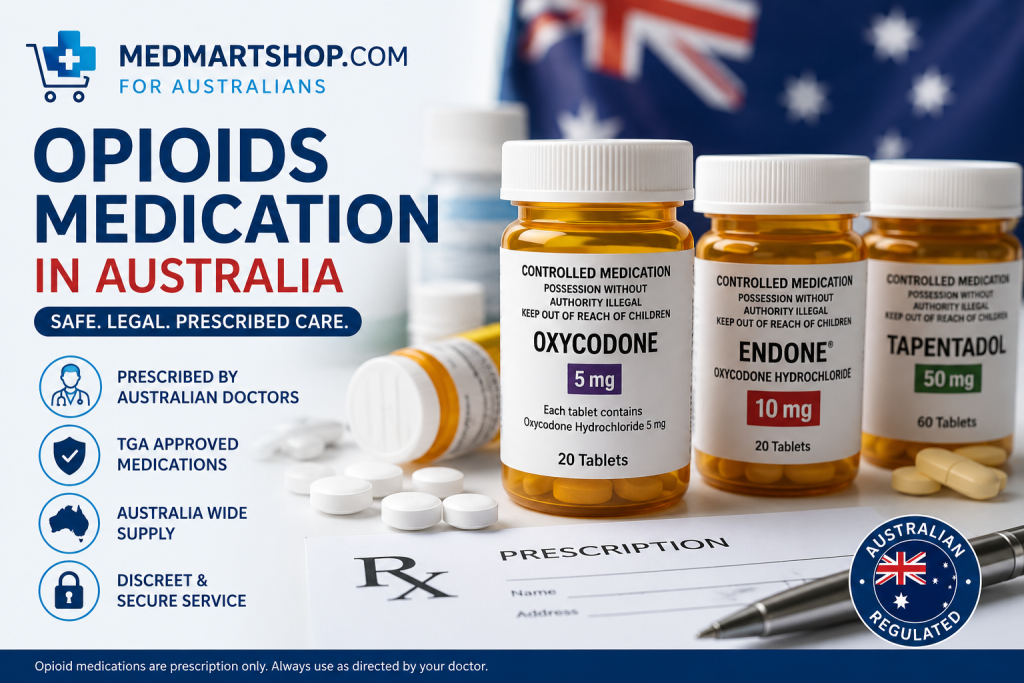
Are Opioids Used for Arthritis Pain?
Strong pain medications such as:
- Oxycodone
- Morphine
- Tapentadol
- Hydromorphone
may occasionally be prescribed for severe arthritis pain.
However, Australian clinical guidelines generally recommend cautious use because long-term opioid therapy carries significant risks.
These risks include:
- Dependence
- Tolerance
- Constipation
- Drowsiness
- Falls in older adults
Therefore, opioids are usually reserved for carefully selected patients.
PBS and Medicare Support
Australia’s healthcare system helps improve access to arthritis treatment.
Pharmaceutical Benefits Scheme (PBS)
The PBS subsidises many arthritis medications, including selected:
- NSAIDs
- DMARDs
- Biologic therapies
As a result, eligible Australians may pay significantly lower medication costs.
Medicare
Medicare may help cover:
- GP consultations
- Rheumatologist appointments
- Allied health services
- Chronic disease management plans
Consequently, many patients can access comprehensive arthritis care.
Physiotherapy and Exercise
Medication alone rarely provides the best long-term outcomes. Therefore, physiotherapy remains a key component of arthritis management.
Benefits include:
- Improved joint function
- Better flexibility
- Increased muscle strength
- Reduced pain
- Enhanced mobility
Recommended activities may include:
- Walking
- Swimming
- Cycling
- Stretching exercises
- Strength training
Furthermore, regular movement helps prevent joint stiffness.
Weight Management and Arthritis
Excess body weight places additional stress on joints, particularly the knees, hips, and spine.
Therefore, maintaining a healthy weight may:
- Reduce pain
- Improve mobility
- Slow disease progression
- Improve overall health
Consequently, healthcare professionals often encourage balanced nutrition alongside exercise programs.
Lifestyle Strategies for Managing Arthritis
In addition to medication, Australians can support joint health by:
- Staying physically active
- Prioritising sleep
- Managing stress
- Avoiding smoking
- Limiting alcohol intake
- Following treatment plans consistently
Moreover, small lifestyle improvements often contribute to meaningful long-term benefits.
Potential Side Effects of Arthritis Medications
Like all medicines, arthritis treatments can cause side effects.
Possible side effects include:
- Stomach irritation
- Heartburn
- Drowsiness
- Dizziness
- Increased infection risk
- Weight changes
- Elevated blood pressure
However, healthcare professionals monitor treatment closely to minimise risks and maximise benefits.
When Should You See a Doctor?
You should seek medical advice if:
- Joint pain persists.
- Symptoms worsen.
- Swelling increases.
- Mobility becomes limited.
- Treatment stops working.
- New symptoms develop.
Early diagnosis and intervention often lead to better long-term outcomes.
Frequently Asked Questions
What is the best medication for arthritis pain in Australia?
The best treatment depends on the type of arthritis, symptom severity, and individual health factors. Common options include NSAIDs, corticosteroids, DMARDs, and biologic therapies.
Are arthritis medications covered by PBS?
Many arthritis medications are subsidised through the PBS for eligible Australians.
Can exercise help arthritis?
Yes. Regular exercise may improve flexibility, strengthen muscles, reduce stiffness, and support overall joint health.
Can arthritis be cured?
Most forms of arthritis cannot currently be cured. However, effective treatments can help control symptoms and improve quality of life.
Conclusion
Arthritis affects millions of Australians and remains a leading cause of chronic pain and reduced mobility. Fortunately, a wide range of arthritis pain medications and treatment options are available throughout Australia. From paracetamol and NSAIDs to DMARDs, biologic therapies, physiotherapy, and lifestyle interventions, modern arthritis care focuses on reducing pain, preserving joint function, and improving long-term wellbeing. Furthermore, PBS subsidies and Medicare support help many Australians access essential healthcare services. By working closely with healthcare professionals and following a personalised treatment plan, people living with arthritis can often manage symptoms effectively and maintain an active, independent lifestyle.