
Best Pain Medication for Chronic Pain Australia: A Comprehensive Guide to Long-Term Pain Management
Introduction
Chronic pain affects millions of Australians and remains one of the leading causes of disability, reduced mobility, and decreased quality of life. Unlike acute pain, which usually resolves as an injury heals, chronic pain persists for three months or longer and may continue even after the original cause has been treated. Consequently, many Australians search for the best pain medication for chronic pain to help manage symptoms and improve daily functioning.
However, there is no single medication that works best for everyone. Instead, healthcare professionals in Australia recommend treatment plans based on the cause of pain, symptom severity, overall health, and individual treatment goals. Furthermore, effective chronic pain management often combines medication with physiotherapy, exercise, psychological support, and lifestyle modifications.
This guide explores the most commonly prescribed chronic pain medications in Australia, their benefits, potential risks, and the role they play in comprehensive pain management.
Understanding Chronic Pain
Chronic pain can affect nearly every aspect of life. In addition to physical discomfort, it may impact sleep, mental health, employment, relationships, and independence.
Common chronic pain conditions in Australia include:
- Chronic back pain
- Arthritis
- Fibromyalgia
- Neuropathic pain
- Sciatica
- Neck pain
- Cancer-related pain
- Musculoskeletal disorders
- Post-surgical pain
- Complex regional pain syndrome
Therefore, accurate diagnosis is essential before selecting the most appropriate treatment.
What Is the Best Pain Medication for Chronic Pain?
The best medication depends on the type and cause of pain. Consequently, doctors often use different medications for different pain conditions.
Paracetamol
Paracetamol is one of the most widely used pain-relief medications in Australia.
Benefits include:
- Easy accessibility
- Generally good tolerability
- Suitable for mild pain
However, it may provide limited relief for severe chronic pain.
Non-Steroidal Anti-Inflammatory Drugs (NSAIDs)
NSAIDs are frequently prescribed when inflammation contributes to pain.
Common examples include:
- Ibuprofen
- Naproxen
- Diclofenac
- Celecoxib
These medications may help individuals with:
- Osteoarthritis
- Rheumatoid arthritis
- Musculoskeletal injuries
- Inflammatory conditions
Furthermore, NSAIDs can reduce swelling while relieving pain.
Pregabalin
Pregabalin is commonly prescribed for neuropathic pain.
It may help manage:
- Diabetic neuropathy
- Sciatica
- Post-herpetic neuralgia
- Chronic nerve pain
As a result, many Australians experience reduced nerve-related symptoms and improved sleep quality.
Gabapentin
Gabapentin works similarly to pregabalin and is widely used throughout Australia for neuropathic pain conditions.
Consequently, it remains one of the most frequently prescribed nerve pain medications.
Duloxetine
Duloxetine belongs to the serotonin and noradrenaline reuptake inhibitor (SNRI) class of medicines.
It may benefit patients experiencing:
- Chronic musculoskeletal pain
- Nerve pain
- Fibromyalgia
- Anxiety associated with chronic pain
Therefore, it can address both physical and emotional aspects of pain.
Amitriptyline
Amitriptyline has been used for decades to treat chronic pain.
Low-dose treatment may help with:
- Neuropathic pain
- Migraine prevention
- Sleep disturbances
- Fibromyalgia
Furthermore, it remains a valuable treatment option for selected patients.
Are Opioids the Best Option?
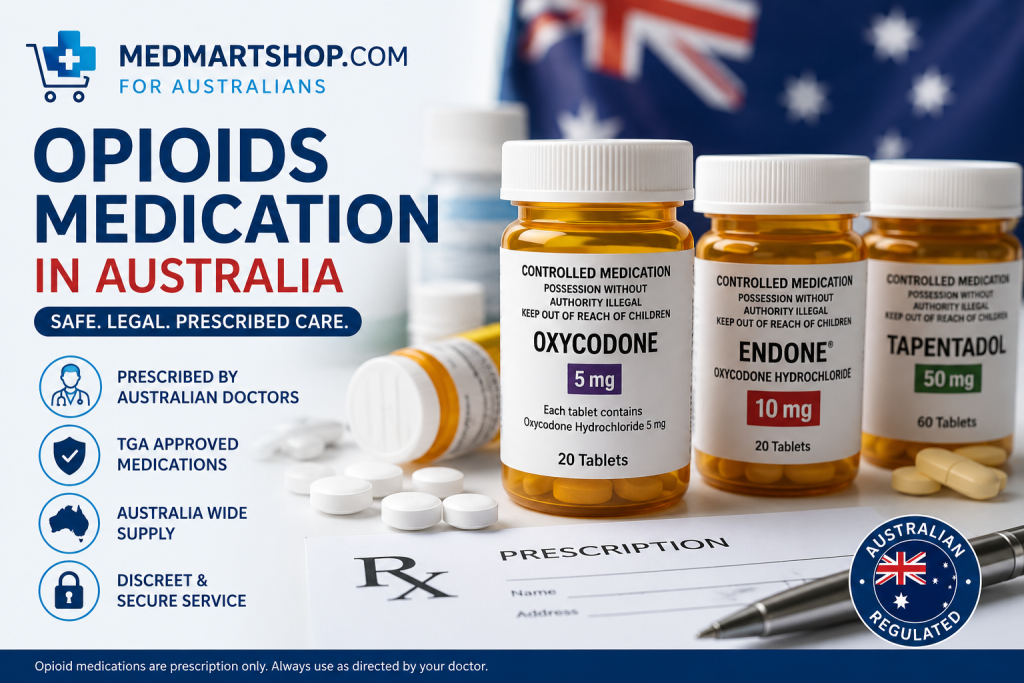
Many people assume strong opioids are the best treatment for chronic pain. However, Australian clinical guidelines generally recommend caution.
Common opioid medications include:
- Oxycodone
- Morphine
- Tapentadol
- Hydromorphone
- Buprenorphine
- Fentanyl
Although these medicines may provide short-term relief, they are not always the most effective long-term solution.
Additionally, long-term opioid use may increase the risk of:
- Dependence
- Tolerance
- Constipation
- Drowsiness
- Reduced concentration
- Withdrawal symptoms
Therefore, healthcare professionals usually consider other treatments before recommending long-term opioid therapy.
Which Medication Is Best for Specific Conditions?
Arthritis
Common treatments include:
- Paracetamol
- NSAIDs
- Corticosteroids
- Disease-modifying therapies
Nerve Pain
Frequently prescribed medications include:
- Pregabalin
- Gabapentin
- Duloxetine
- Amitriptyline
Fibromyalgia
Treatment may involve:
- Duloxetine
- Amitriptyline
- Exercise programs
- Psychological therapies
Chronic Back Pain
Management often includes:
- NSAIDs
- Physiotherapy
- Exercise
- Multidisciplinary pain management
Consequently, treatment selection depends heavily on the underlying condition.
PBS and Medicare Support in Australia
Australia provides several pathways to help patients access chronic pain treatment.
Pharmaceutical Benefits Scheme (PBS)
The PBS subsidises many commonly prescribed pain medications, including selected:
- NSAIDs
- Neuropathic pain medicines
- Opioids
- Arthritis treatments
As a result, eligible Australians may pay significantly lower medication costs.
Medicare
Medicare may assist with:
- GP consultations
- Specialist appointments
- Chronic Disease Management Plans
- Allied health services
- Pain management programs
Furthermore, Medicare support helps many Australians access multidisciplinary care.
Non-Medication Treatments for Chronic Pain
Medication alone rarely provides optimal results.
Therefore, healthcare professionals often recommend combining medication with additional therapies.
Physiotherapy
Physiotherapy can help:
- Improve mobility
- Increase strength
- Reduce pain
- Enhance flexibility
Moreover, physiotherapy often forms a key component of long-term pain management.
Exercise Programs
Regular exercise may:
- Improve circulation
- Reduce stiffness
- Strengthen muscles
- Enhance mental wellbeing
Recommended activities include:
- Walking
- Swimming
- Cycling
- Strength training
- Stretching exercises
Consequently, consistent physical activity often improves treatment outcomes.
Cognitive Behavioural Therapy (CBT)
Chronic pain frequently affects mental health.
Therefore, CBT helps individuals:
- Develop coping strategies
- Reduce pain-related anxiety
- Improve resilience
- Increase confidence in daily activities
Pain Management Clinics
Australia has numerous multidisciplinary pain clinics that provide specialist care.
These clinics may involve:
- Pain physicians
- Physiotherapists
- Psychologists
- Occupational therapists
- Rehabilitation specialists
As a result, patients receive personalised treatment plans tailored to their specific needs.
Lifestyle Changes That Support Chronic Pain Management
In addition to medical treatment, healthy lifestyle habits can significantly improve symptom control.
Helpful strategies include:
- Maintaining a healthy weight
- Prioritising sleep
- Managing stress
- Avoiding smoking
- Limiting alcohol intake
- Following treatment plans consistently
Furthermore, small changes often produce meaningful long-term benefits.
Potential Side Effects of Chronic Pain Medications
All medications may cause side effects.
Common examples include:
- Drowsiness
- Dizziness
- Dry mouth
- Nausea
- Constipation
- Weight changes
- Stomach irritation
However, healthcare professionals carefully monitor treatment to minimise risks.
When Should You See a Doctor?
You should seek medical advice if:
- Pain lasts longer than three months.
- Symptoms worsen over time.
- Daily activities become difficult.
- Sleep is consistently disrupted.
- Current treatment is ineffective.
- New symptoms develop.
Early assessment often improves outcomes and supports more effective pain management.
Frequently Asked Questions
What is the best medication for chronic pain in Australia?
The best medication depends on the underlying cause. Common options include NSAIDs, pregabalin, gabapentin, duloxetine, amitriptyline, and selected opioid medications when appropriate.
Are opioids recommended for chronic pain?
Australian guidelines generally recommend cautious use because long-term opioid therapy may lead to dependence and other complications.
Is chronic pain covered by Medicare?
Medicare may assist with consultations, specialist referrals, and approved allied health services through Chronic Disease Management Plans.
Can chronic pain improve without strong painkillers?
Yes. Many Australians achieve significant improvements through physiotherapy, exercise, psychological therapies, and multidisciplinary pain management programs.
Conclusion
Finding the best pain medication for chronic pain in Australia depends on the cause of pain, symptom severity, and individual health needs. While medications such as NSAIDs, pregabalin, gabapentin, duloxetine, and amitriptyline play important roles in treatment, no single medicine works for everyone. Furthermore, strong opioid medications are not always the most effective long-term solution and require careful medical supervision. The most successful approach typically combines medication with physiotherapy, exercise, lifestyle changes, and psychological support. With access to Medicare, PBS subsidies, specialist pain clinics, and evidence-based healthcare services, Australians living with chronic pain have numerous options to help manage symptoms, improve function, and enhance their overall quality of life.