
Severe Pain Treatment Australia: Treatment Options, Medications, and Comprehensive Pain Management
Introduction
Severe pain can have a profound impact on daily life, affecting physical health, emotional wellbeing, sleep quality, work performance, and personal relationships. Across Australia, millions of people seek medical care for severe pain caused by injuries, chronic health conditions, surgery, cancer, nerve damage, and musculoskeletal disorders. Consequently, effective pain treatment remains a major healthcare priority.
Fortunately, Australia offers a wide range of evidence-based treatments designed to help individuals manage severe pain safely and effectively. Furthermore, healthcare professionals increasingly use multidisciplinary approaches that combine medication, physical therapies, psychological support, and lifestyle interventions. Therefore, understanding available treatment options can help Australians make informed decisions about their care and improve their quality of life.
What Is Severe Pain?
Severe pain is pain that significantly interferes with daily functioning and wellbeing. Unlike mild or moderate discomfort, severe pain can limit mobility, reduce independence, and affect mental health.
Common symptoms include:
- Intense aching pain
- Sharp or stabbing sensations
- Burning pain
- Throbbing discomfort
- Electric shock-like sensations
- Difficulty sleeping
- Reduced physical function
- Emotional distress
Moreover, severe pain may be short-term or long-term depending on its cause.
Common Causes of Severe Pain in Australia
Many medical conditions can cause severe pain.
These include:
- Chronic back pain
- Arthritis
- Cancer-related pain
- Spinal disorders
- Sciatica
- Nerve damage
- Fibromyalgia
- Sports injuries
- Workplace injuries
- Surgical recovery
- Osteoporosis-related fractures
- Complex regional pain syndrome
Additionally, Australia’s ageing population has contributed to increasing demand for pain management services.
Acute vs Chronic Severe Pain
Acute Severe Pain
pain develops suddenly and is often linked to:
- Surgery
- Trauma
- Fractures
- Burns
- Medical procedures
In most cases, acute pain improves as healing occurs.
Chronic Severe Pain
Chronic pain lasts longer than three months and may continue even after the original injury has healed.
Consequently, chronic pain often requires ongoing management rather than short-term treatment.
Medications Used for Severe Pain Treatment in Australia
Medication remains an important component of pain management. However, healthcare professionals generally recommend using medicines as part of a broader treatment strategy.
Paracetamol
Paracetamol may help relieve mild to moderate pain and is often used alongside other treatments.
Furthermore, it is widely available throughout Australia.
Non-Steroidal Anti-Inflammatory Drugs (NSAIDs)
NSAIDs help reduce inflammation and pain.
Common examples include:
- Ibuprofen
- Naproxen
- Diclofenac
- Celecoxib
These medicines are frequently prescribed for arthritis, injuries, and inflammatory conditions.
Nerve Pain Medications
When pain originates from nerve damage, doctors may prescribe:
- Pregabalin
- Gabapentin
- Duloxetine
- Amitriptyline
As a result, abnormal nerve signalling may be reduced and symptom control improved.
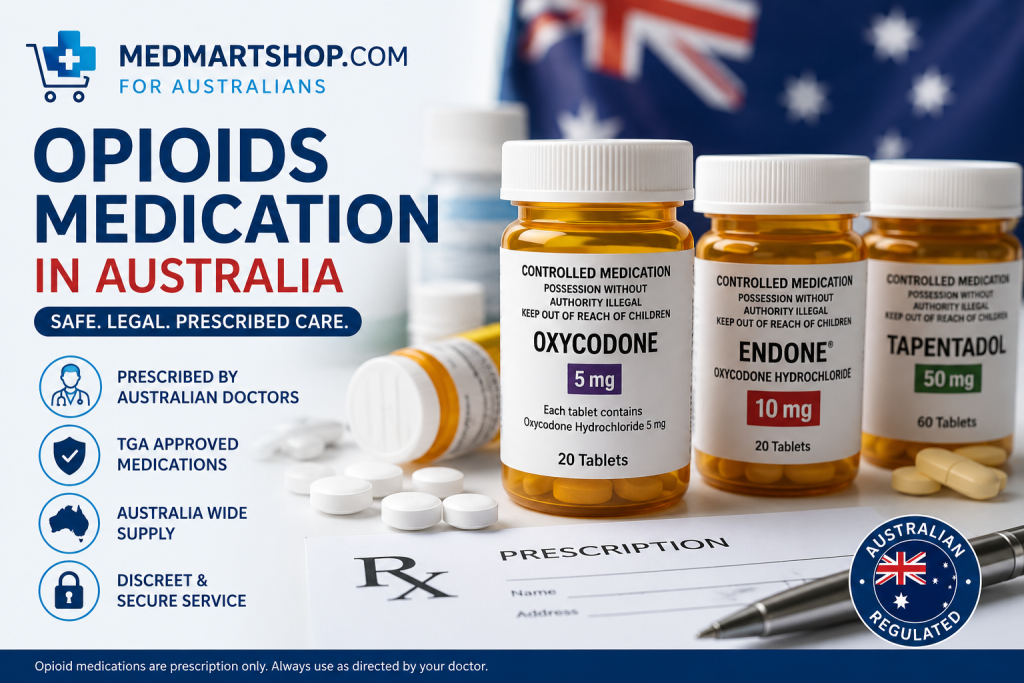
Opioid Medications
Strong opioid medicines may be prescribed for severe pain when clinically appropriate.
Common examples include:
- Morphine
- Oxycodone
- Hydromorphone
- Tapentadol
- Fentanyl
- Buprenorphine
These medications alter how the brain and nervous system process pain signals.
However, Australian clinical guidelines recommend careful monitoring because long-term opioid use carries risks.
Risks Associated with Opioid Therapy
Although opioids can provide significant pain relief, they may cause complications if not used appropriately.
Potential risks include:
- Dependence
- Tolerance
- Constipation
- Drowsiness
- Nausea
- Reduced concentration
- Respiratory depression
Therefore, healthcare professionals carefully assess each patient’s circumstances before prescribing long-term opioid treatment.
Accessing Severe Pain Treatment in Australia
Australians can access pain management services through multiple healthcare pathways.
General Practitioners (GPs)
GPs often provide:
- Initial pain assessments
- Medication management
- Referrals to specialists
- Chronic disease care planning
Pain Specialists
Pain specialists have advanced training in diagnosing and managing complex pain conditions.
Consequently, they may recommend specialised treatments for patients with persistent symptoms.
Pain Clinics
Multidisciplinary pain clinics operate throughout Australia.
These clinics often include:
- Pain physicians
- Physiotherapists
- Psychologists
- Occupational therapists
- Rehabilitation experts
As a result, patients receive comprehensive treatment plans tailored to their needs.
Medicare and PBS Support
Australia’s healthcare system helps many people access treatment.
Medicare
Medicare may assist with:
- GP consultations
- Specialist appointments
- Chronic disease management plans
- Allied health services
Pharmaceutical Benefits Scheme (PBS)
The PBS subsidises many prescription medications used in pain management.
Therefore, eligible Australians may pay significantly lower medication costs.
Physiotherapy and Rehabilitation
Medication alone rarely provides the best long-term outcomes.
Therefore, physiotherapy is frequently recommended as part of comprehensive pain management.
Benefits include:
- Improved mobility
- Increased strength
- Better flexibility
- Reduced pain severity
- Enhanced physical function
Furthermore, rehabilitation programs help patients regain independence and confidence.
Exercise and Severe Pain Management
Although movement may initially seem difficult, carefully planned exercise often improves outcomes.
Recommended activities may include:
- Walking
- Swimming
- Cycling
- Stretching exercises
- Strength training
Consequently, regular activity can reduce stiffness, improve circulation, and support mental wellbeing.
Psychological Approaches to Pain Management
Severe pain often affects emotional health.
Therefore, psychological therapies form an important part of modern pain management.
Cognitive Behavioural Therapy (CBT)
CBT helps patients:
- Develop coping strategies
- Reduce pain-related anxiety
- Improve emotional resilience
- Enhance self-management skills
Mindfulness-Based Programs
Mindfulness techniques encourage relaxation and may help reduce the emotional impact of chronic pain.
Moreover, these strategies can complement medical treatment.
Interventional Pain Procedures
Some Australians may benefit from specialised pain procedures.
Examples include:
- Nerve blocks
- Epidural injections
- Radiofrequency treatments
- Spinal cord stimulation
- Joint injections
Consequently, these procedures may provide additional symptom relief when conservative treatments have not been successful.
Lifestyle Strategies for Severe Pain
Healthy lifestyle habits can improve treatment outcomes.
Helpful strategies include:
- Maintaining a healthy weight
- Prioritising sleep
- Managing stress
- Avoiding smoking
- Limiting alcohol consumption
- Following medical advice consistently
Furthermore, small lifestyle improvements often contribute to meaningful long-term benefits.
Potential Side Effects of Pain Treatments
Different treatments may produce different side effects.
Common examples include:
- Drowsiness
- Dizziness
- Dry mouth
- Nausea
- Constipation
- Fatigue
- Stomach irritation
However, healthcare professionals can often adjust treatment plans to minimise these effects.
When Should You Seek Medical Advice?
Medical assessment is recommended if:
- Pain persists beyond several weeks.
- Symptoms become more severe.
- Mobility declines significantly.
- Sleep is regularly disrupted.
- Daily activities become difficult.
- Current treatment is ineffective.
Early intervention often improves outcomes and helps prevent complications.
Frequently Asked Questions
What is the strongest pain medication available in Australia?
Strong opioids such as morphine, fentanyl, hydromorphone, oxycodone, and tapentadol are commonly used for severe pain under medical supervision.
Are pain clinics available throughout Australia?
Yes. Many public and private pain clinics operate across Australia and provide multidisciplinary care for chronic pain conditions.
Does Medicare cover severe pain treatment?
Medicare may help cover GP visits, specialist consultations, and approved allied health services. Additionally, the PBS subsidises many prescription medications.
Can severe pain be treated without opioids?
In many cases, yes. Physiotherapy, exercise, nerve pain medications, psychological therapies, and interventional procedures may help reduce pain while limiting reliance on opioids.
Conclusion
Severe pain can affect every aspect of life, from physical function and mobility to emotional wellbeing and independence. Nevertheless, Australians have access to a wide range of effective treatment options, including medications, physiotherapy, rehabilitation programs, specialist pain clinics, psychological therapies, and interventional procedures. Furthermore, Medicare and PBS support help many patients access essential healthcare services. By working closely with healthcare professionals and following a personalised treatment plan, people experiencing severe pain can often achieve better symptom control, improved quality of life, and greater long-term wellbeing.