
Back Pain Medication Australia: Treatment Options, Medicines, and Pain Relief Guide
Introduction
Back pain is one of the most common health problems affecting Australians. It can range from mild discomfort to severe pain that interferes with work, exercise, sleep, and everyday activities. Moreover, back pain is a leading cause of disability and healthcare visits across Australia. Fortunately, a variety of medications and treatment options are available to help manage symptoms and improve quality of life. Understanding the different types of back pain medication can help Australians make informed decisions alongside their healthcare providers.
What Causes Back Pain?
Back pain can develop for many reasons, including:
- Muscle strains and sprains
- Poor posture
- Herniated discs
- Sciatica
- Osteoarthritis
- Spinal stenosis
- Workplace injuries
- Sports injuries
- Age-related spinal changes
Furthermore, prolonged sitting and physically demanding jobs can increase the risk of chronic back pain.
Common Back Pain Medications in Australia
Australian doctors may recommend different medications depending on the cause and severity of pain.
Paracetamol
Paracetamol is widely available and may provide short-term relief for some people with mild back pain. However, it may not be effective for all types of chronic back pain.
Non-Steroidal Anti-Inflammatory Drugs (NSAIDs)
NSAIDs help reduce inflammation and pain. Common examples include:
- Ibuprofen
- Naproxen
- Diclofenac
These medicines are often used for acute back pain and inflammatory conditions.
Muscle Relaxants
In some cases, doctors prescribe muscle relaxants to relieve muscle spasms associated with back injuries. However, they are generally intended for short-term use.
Nerve Pain Medications
When back pain involves nerve compression or sciatica, medicines such as:
- Gabapentin
- Pregabalin
- Duloxetine
may be recommended to help reduce nerve-related symptoms.
Opioid Medicines
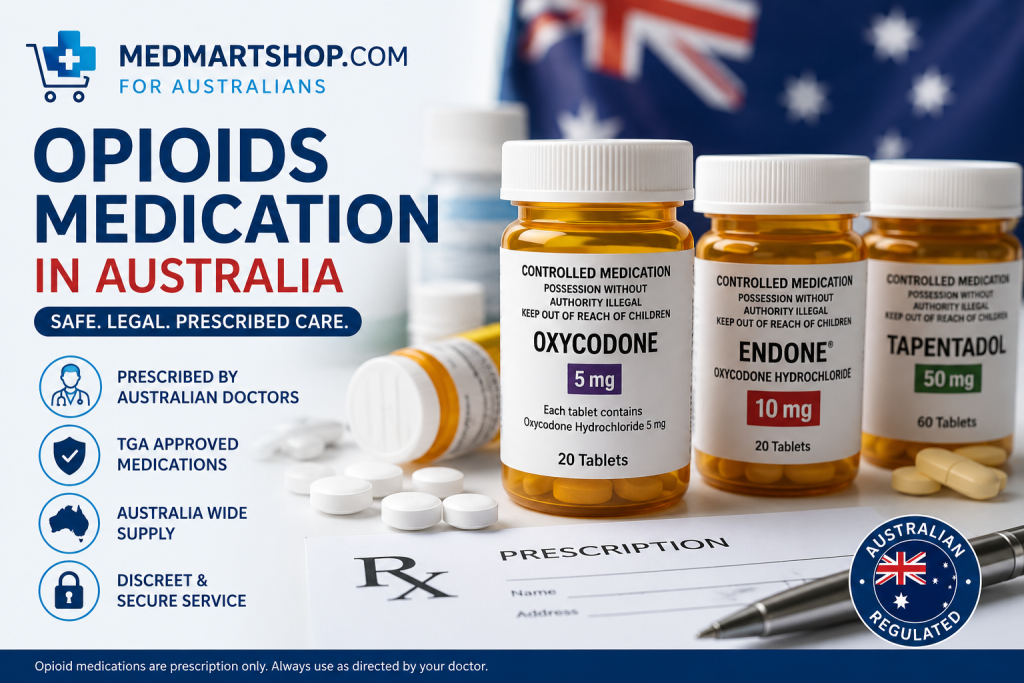
Strong pain medicines such as oxycodone, tapentadol, tramadol, and morphine may occasionally be prescribed for severe pain. However, Australian clinical guidelines generally recommend cautious use because long-term opioid therapy can lead to dependence, tolerance, and significant side effects.
PBS and Medicare Support
Many prescription back pain medications are available through Australian pharmacies. Additionally, some treatments are subsidised through the Pharmaceutical Benefits Scheme (PBS), reducing out-of-pocket costs for eligible patients.
Furthermore, Medicare may help cover consultations with general practitioners and certain allied health services through approved care plans.
Non-Medication Treatments
Medication alone is rarely the best long-term solution. Therefore, Australian healthcare professionals often recommend combining medicine with other therapies, including:
Physiotherapy
Physiotherapists help improve strength, flexibility, posture, and movement patterns.
Exercise Programs
Regular physical activity can reduce pain and improve mobility. Walking, swimming, and supervised strengthening exercises are commonly recommended.
Psychological Support
Chronic pain can affect mental health. Consequently, Cognitive Behavioural Therapy (CBT) and pain management counselling may help people cope more effectively.
Pain Clinics
Multidisciplinary pain clinics throughout Australia offer comprehensive treatment plans involving doctors, physiotherapists, psychologists, and pain specialists.
Possible Side Effects
All medicines can cause side effects. Common examples include:
- Drowsiness
- Dizziness
- Nausea
- Constipation
- Stomach irritation
- Dry mouth
Therefore, patients should always follow medical advice and discuss any concerns with their doctor or pharmacist.
When Should You See a Doctor?
Seek medical attention if:
- Pain lasts longer than a few weeks.
- Pain becomes severe.
- Symptoms spread down the legs.
- You experience numbness or weakness.
- Pain affects work or daily activities.
- Bladder or bowel changes occur.
Early assessment can help identify serious conditions and improve treatment outcomes.
Tips for Managing Back Pain
In addition to medication, Australians can support recovery by:
- Staying active when possible
- Maintaining a healthy weight
- Improving posture
- Using proper lifting techniques
- Taking regular movement breaks
- Following physiotherapy recommendations
- Managing stress levels
Moreover, consistent lifestyle changes often contribute to long-term pain reduction.
Frequently Asked Questions
What is the best medication for back pain in Australia?
The best medication depends on the cause of the pain. NSAIDs, paracetamol, nerve pain medicines, and, in selected cases, opioids may be prescribed by healthcare professionals.
Are opioids commonly used for chronic back pain?
Not usually. Australian guidelines encourage careful prescribing and often recommend other treatments first because of the risks associated with long-term opioid use.
Can back pain improve without medication?
Yes. Many people benefit from physiotherapy, exercise, posture correction, and lifestyle modifications, either alone or combined with medication.
Conclusion
Back pain affects millions of Australians and remains one of the country’s leading causes of disability. Fortunately, a range of treatment options is available, including medications, physiotherapy, exercise programs, and specialist pain management services. While medicines such as NSAIDs, nerve pain medications, and selected prescription treatments can help control symptoms, long-term management often requires a comprehensive approach. Therefore, Australians experiencing persistent back pain should consult a healthcare professional to receive an accurate diagnosis and a personalised treatment plan that supports both pain relief and long-term wellbeing.