
New Pain Medication in Australia: Latest Advances, PBS Access, and Patient Guide
New pain medications continue to transform how Australians manage both acute and chronic pain. Consequently, patients now have safer, more targeted options than ever before. In this comprehensive guide, we explore the latest developments in pain relief available in Australia. From innovative non-opioid treatments to PBS-listed advancements, we cover everything you need to know. Moreover, we discuss regulatory changes, access pathways, and practical tips tailored to the Australian healthcare system.
The Evolving Landscape of Pain Management in Australia
Pain affects millions of Australians annually. However, traditional approaches often rely on opioids, which carry significant risks of dependence and side effects. Therefore, the focus has shifted toward new pain medications that offer effective relief with improved safety profiles. For example, recent years have seen tighter PBS restrictions on opioids alongside exploration of novel therapies.
According to Australian health authorities, chronic pain impacts 1 in 5 adults. Furthermore, acute pain from surgery, injury, or dental procedures remains common. In addition, the Therapeutic Goods Administration (TGA) and Pharmaceutical Benefits Scheme (PBS) play crucial roles in approving and subsidising new options. As a result, many innovative treatments become accessible at reduced costs for eligible patients.
Meanwhile, the Australian Pain Society and multidisciplinary clinics promote evidence-based, holistic care. Thus, new medications form just one part of comprehensive pain management strategies.
Breakthrough Non-Opioid Pain Medications
One of the most exciting global developments involves selective sodium channel inhibitors. Notably, suzetrigine (Journavx) represents a first-in-class non-opioid analgesic approved by the FDA in early 2025 for moderate to severe acute pain. Although not yet widely available in Australia, it targets NaV1.8 channels in peripheral nerves. Consequently, it blocks pain signals before they reach the brain without opioid-related risks.
In Australia, the TGA evaluates such innovations carefully. Therefore, patients should monitor updates through their doctors or the TGA website. Furthermore, this development signals a promising shift toward precision pain relief with lower addiction potential.
Additionally, other non-opioid advancements include refined formulations of existing drugs and novel delivery methods. For instance, improved topical treatments and extended-release non-opioids help reduce dosing frequency and side effects.
Updates to Gabapentinoids and Neuropathic Pain Treatments
Gabapentinoids like pregabalin (Lyrica) and gabapentin remain important for nerve pain. However, PBS listings require evidence of refractory cases. Nevertheless, they continue to evolve with better dosing guidelines. Meanwhile, duloxetine and other SNRIs gain traction for mixed pain conditions.
Importantly, Australian guidelines emphasise starting at low doses. Thus, side effects such as dizziness or weight gain can be minimised. In contrast to older treatments, these options integrate well into multidisciplinary plans.
Opioid Innovations and Tighter Regulations
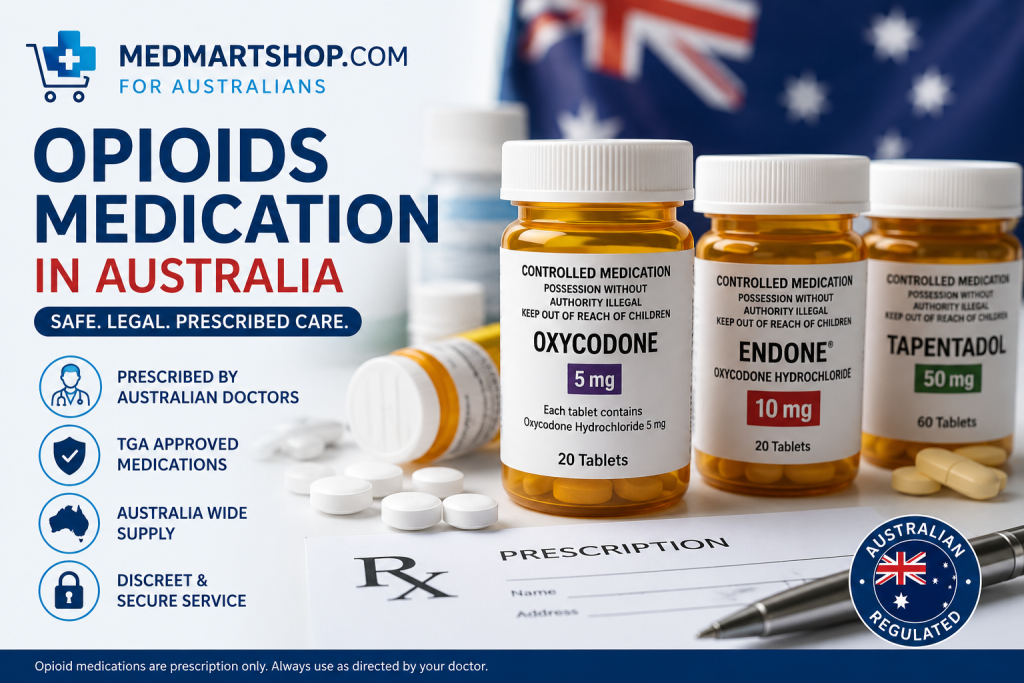
Australia maintains strict controls on opioids following national reforms. For example, smaller pack sizes for short-term use were introduced to curb misuse. Consequently, medications like oxycodone, tapentadol, and tramadol now follow clearer authority requirements under the PBS.
Yet, newer formulations aim for better tolerability. Tapentadol, in particular, has seen increased use due to its dual mechanism. However, long-term opioid therapy remains reserved for exceptional circumstances in chronic non-cancer pain. Therefore, doctors prioritise non-opioid alternatives first.
Moreover, the PBS Palliative Care Schedule provides subsidised access for end-of-life pain management. In addition, recent co-payment reductions—from 1 January 2026—make essential pain medications more affordable, with general patients paying no more than $25 per script.
Accessing New Pain Medications Through PBS and TGA
The PBS ensures new pain medications reach Australians affordably. Primarily, the Pharmaceutical Benefits Advisory Committee (PBAC) reviews evidence for listing. Subsequently, approved drugs become subsidised, dramatically lowering costs for concession card holders.
For instance, many analgesics qualify for the PBS Safety Net, capping annual expenses. Furthermore, veterans access additional support via the Repatriation PBS (RPBS). Nevertheless, some newer or off-label treatments may involve private costs until formal listing.
Importantly, the TGA approves medications for safety and efficacy before PBS consideration. As a result, Australians benefit from rigorous standards that protect public health.
Multidisciplinary and Non-Pharmacological Integration
New medications work best within broader care plans. Indeed, Australian pain clinics combine pharmacological advances with physiotherapy, psychology, and lifestyle interventions. For this reason, cognitive behavioural therapy (CBT) and exercise programs enhance outcomes.
Additionally, the National Disability Insurance Scheme (NDIS) may fund supports for those with significant functional impairment from chronic pain. Meanwhile, Painaustralia and state organisations provide education and advocacy.
Thus, patients achieve better long-term results by addressing physical, emotional, and social aspects of pain.
Side Effects, Safety, and Monitoring
All medications carry potential risks. Therefore, regular monitoring by healthcare providers remains essential. For example, new non-opioid options may still cause dizziness or gastrointestinal issues. However, they generally present lower dependence risks than traditional opioids.
In Australia, pharmacists and doctors educate patients on safe use. Consequently, driving restrictions or interactions with other medicines receive careful attention. Furthermore, deprescribing protocols help avoid unnecessary long-term use.
Importantly, pregnant individuals, elderly patients, and those in rural areas require tailored approaches. Thus, telehealth services have expanded access significantly.
Special Populations and Regional Considerations
For children and adolescents, dosing follows strict paediatric guidelines. Conversely, older Australians benefit from low-start, slow-titration strategies. Meanwhile, Aboriginal and Torres Strait Islander communities access culturally appropriate care through dedicated programs.
Additionally, rural and remote patients utilise outreach services and telehealth for specialist advice on new treatments. Therefore, geographic barriers continue to diminish.
In contrast, metropolitan areas like Sydney, Melbourne, and Brisbane offer advanced pain clinics with early access to emerging therapies.
Prevention, Lifestyle, and Future Directions
Preventing pain escalation proves most effective. Primarily, maintaining healthy weight, managing conditions like diabetes, and practising good ergonomics reduce risks. Furthermore, community water fluoridation and oral health programs indirectly lower dental pain incidence.
Looking ahead, Australia participates in global research on cannabinoids, neuromodulation, and next-generation analgesics. Although regulatory hurdles exist, the pipeline looks promising. Consequently, patients can expect more personalised options in coming years.
The Australian Pain Society regularly updates guidelines. Thus, staying informed through reputable sources ensures access to best practices.
Practical Tips for Australians Seeking New Pain Relief
- Consult professionals early: Discuss symptoms with your GP for appropriate referrals.
- Understand PBS eligibility: Ask about subsidies and authority requirements.
- Track your pain: Use diaries to monitor response to new medications.
- Combine therapies: Pair drugs with exercise, psychology, and lifestyle changes.
- Monitor costs: Utilise the PBS Safety Net and concession benefits.
- Stay updated: Check TGA and PBS news for new listings.
In conclusion, new pain medications in Australia offer renewed hope for effective, safer relief. While challenges like regulatory timelines and access equity remain, ongoing PBS improvements and innovative therapies enhance options significantly. Ultimately, collaborating with your healthcare team delivers the best results.
If you experience persistent pain, seek medical advice promptly. After all, modern pain management empowers Australians to live fuller, more active lives.