
What’s MDMA in Australia? A 2026 Guide
If you have ever heard the term “MDMA” and wondered what it actually means, you are not alone. For many Australians, this acronym appears regularly in news reports and health warnings. However, its meaning has changed dramatically in recent years. MDMA is no longer just a recreational party drug associated with nightclubs and festivals. In Australia, it has also become a legal prescription medicine for treating severe mental health conditions. Consequently, understanding what MDMA is today requires exploring both its illicit and therapeutic identities. Moreover, this guide covers the science, the risks, the laws, and the groundbreaking therapy reforms that have placed Australia on the global stage.
The Science: What MDMA Actually Is
MDMA stands for 3,4-methylenedioxymethamphetamine, which is its full chemical name. This compound belongs to a class of drugs known as empathogens or entactogens. These substances produce feelings of emotional connection and interpersonal closeness. MDMA is an empathogen stimulant with effects including euphoria and increased sociability. However, these desirable effects come with significant physical consequences.
MDMA works primarily by increasing the release of several key neurotransmitters in the brain. It affects serotonin, dopamine, and noradrenaline. These chemicals play fundamental roles in regulating mood, movement, and memory. Consequently, users experience profound changes in mood and perception. The drug also raises body temperature, heart rate, and blood pressure.
In Australia, MDMA is also known by various street names. The most common include ecstasy, molly, and pingers. However, the scientific and legal term remains MDMA.
The Recreational Reality in Australia
MDMA remains one of Australia’s most widely used illicit substances. According to the 2025 Ecstasy and Related Drugs Reporting System (EDRS), recent use of any non-prescribed ecstasy remained stable at 93%. Capsules were the most commonly used form at 55%, closely followed by crystal at 51%. Pills accounted for 40% of recent use. The median price for one pill was $30, while one capsule cost $25.
Wastewater analysis confirms MDMA’s significant presence in Australia. MDMA consumption increased by 20% from the previous year. Australians consume MDMA at one of the highest rates in the world. This sustained growth demonstrates that MDMA remains deeply embedded in Australian recreational culture.
However, the recreational landscape is not without serious risks. Recent public health warnings highlight the growing danger of high-dose products. In Victoria, testing revealed MDMA doses of up to 233 milligrams in single capsules. A typical recreational dose is 70-100 milligrams. Therefore, these products contain two to three typical doses in one capsule. Products identified include a blue “ghost” capsule, yellow “Boba Fett” capsule, and various high-dose tablets. Similar high-dose products have been identified in NSW, including a blue “Ace of spades” tablet containing 160mg of MDMA.
The Life-Threatening Risk: Hyperthermia
Hyperthermia is the most serious risk associated with MDMA use in Australia. Consuming MDMA increases your core body temperature. A larger dose can be enough to cause hyperthermia, meaning your body is too hot to function normally. Hot, crowded, and humid environments increase this risk significantly. Australian summer festivals create exactly these conditions. Physical exertion through dancing further raises body temperature.
Signs of drug-related hyperthermia include feeling uncomfortably hot and sweaty, nausea and vomiting, light-headedness, excessive thirst, confusion, agitation, muscle spasms, seizures, or losing consciousness. Even one sign is reason to get help. If you experience any unusual effects, seek urgent medical attention by calling Triple Zero (000). Getting help early can be the difference between life and death. Importantly, you will not get into trouble for seeking help.
Mixing MDMA with other substances increases risk. Using other substances, especially stimulants like cocaine or amphetamines, further increases the chance of hyperthermia. Mixing with medications for anxiety and depression such as SSRIs, SNRIs, and TCAs can also increase the chance of life-threatening hyperthermia.
The Therapeutic Revolution: MDMA as Medicine
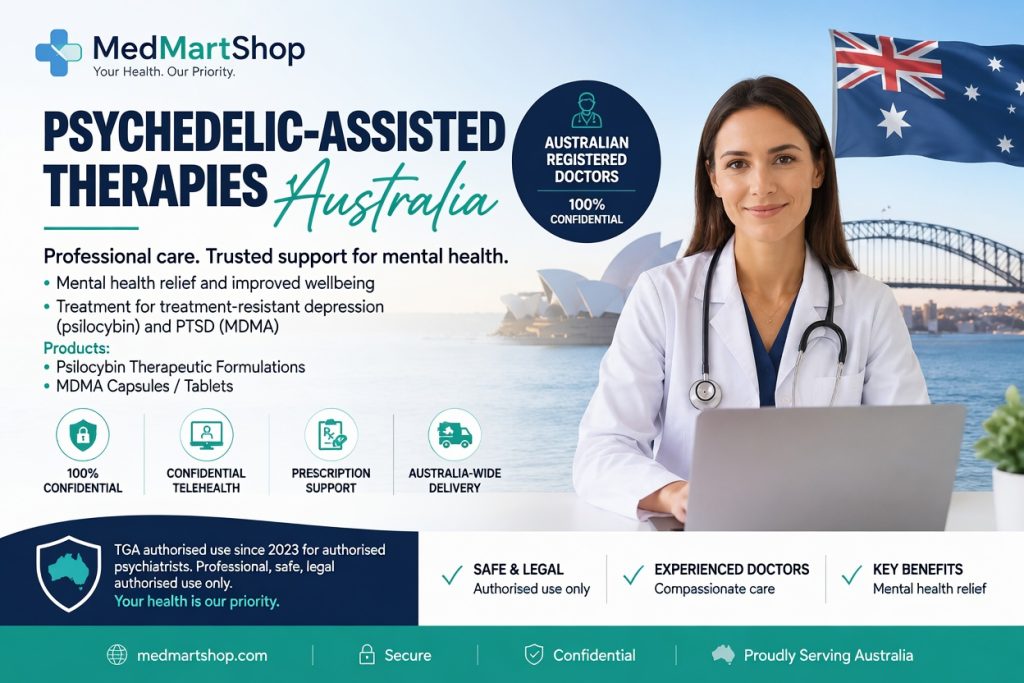
Australia made history in July 2023 by becoming the first country to formally reschedule MDMA for controlled medical use. Authorised psychiatrists can now prescribe MDMA-assisted psychotherapy for post-traumatic stress disorder (PTSD). This represents a landmark shift in mental health treatment.
MDMA-assisted therapy is not a daily medication. It comprises a structured intervention with preparation, dosing, and integration phases. Dosing sessions can take up to eight hours and involve therapeutic input from psychiatrists and psychologists. The drug floods the brain with serotonin, dopamine, and oxytocin. It also reduces activity in the amygdala, the “fear centre” of the brain. This allows patients to confront deeply buried trauma.
The early results have been extraordinary. More than half of patients who received MDMA-assisted therapy reported significant relief from PTSD symptoms. Dr Ranil Gunewardene, a psychiatrist in Sydney who has treated more than 40 patients, described the outcomes as “extraordinary” compared to conventional treatments. Australian drug regulators have not recorded any serious adverse events among the nearly 200 patients who have been through the program since December 2025.
Access and Cost Challenges
Despite regulatory approval, access remains severely limited. A full course of MDMA-assisted therapy can cost up to $20,000 or more. This cost reflects the labour-intensive nature of the treatment. Patients must complete a minimum of nine therapy sessions, including three dosing sessions lasting eight hours each. Two therapists must be present during each dosing session.
Fewer than 50 psychiatrists are authorised to prescribe MDMA in Australia. Across the country, about 164 patients have received MDMA-assisted therapy outside of clinical trials. The licensing process can take six months, and many patients are unaware the therapies exist due to advertising restrictions. Tania de Jong from Mind Medicine Australia stated that a growing backlog has swelled the organisation’s waiting list to more than 1,000 people.
On a positive note, reimbursement for psychedelic-assisted therapy now spans both public and private funding systems. Coverage includes the Department of Veterans’ Affairs, the NDIS, WorkCover, and Medibank, Australia’s largest private health insurer.
The Legal Status in Australia
MDMA has a dual legal status in Australia. For therapeutic use under the Authorised Prescriber Scheme, it is classified as a Schedule 8 (Controlled Drug) medicine. For all other uses, it remains a Schedule 9 (Prohibited Substance). Possessing, selling, or trafficking MDMA for recreational use can lead to jail time.
The updated TGA framework introduced in 2026 has expanded access to psychedelic-assisted therapy. The therapy dyad must now include at least one therapist registered with a National Board. The second practitioner may be drawn from a wider pool, including counsellors, social workers, and Aboriginal and Torres Strait Islander health workers. Treatment can now occur outside hospital settings in medically supervised environments meeting safety standards. Sites must provide secure Schedule 8 storage, trained staff, rescue medications, and proximity to an emergency department within 15 minutes.
Harm Reduction Strategies
All alcohol and other drug use comes with risk. Health authorities recommend several strategies for those who choose to use MDMA:
- Access pill testing services: The Victorian Pill Testing Service provides free, confidential testing and health advice.
- Start low and go slow: Start with a small dose and wait until peak effects have passed before considering redosing.
- Stay hydrated safely: Sip water slowly, but don’t drink too much. About one cup every half hour is appropriate.
- Take breaks: Find a cool or shady spot to rest from dancing, especially in hot or humid conditions.
- Be with trusted people: Ensure you are in a safe environment with people you trust.
- Avoid mixing: Don’t combine with other substances, especially stimulants.
If you or someone you know needs help with alcohol or drug use, call DirectLine on 1800 888 236 for information and support to access treatment. Harm Reduction Victoria’s DanceWize team offers anonymous support and education from peers.
Conclusion
MDMA in Australia is a drug of contradictions. It is both a staple of recreational culture and a pioneer in psychiatric treatment. Australia leads the world in therapeutic reform, having become the first country to regulate MDMA as a prescription medicine. However, this innovation has not translated into universal access. The cost of treatment puts it out of reach for most Australians. The workforce remains small, and strict guidelines limit availability.
For recreational users, the risks are real and potentially life-threatening. High-dose products are circulating across multiple states. The Australian summer environment adds another layer of danger. Consequently, understanding both faces of MDMA is essential. Whether you are interested in its therapeutic potential or its recreational risks, staying informed remains the most important step for all Australians in 2026.