
Understanding Stimulants in New South Wales (NSW)
Stimulants are a class of drugs that elevate mood, increase feelings of well-being, and boost energy and alertness. In New South Wales, these substances are regulated under strict laws due to their potential for misuse and dependence. This guide explores the key facts about stimulants, their legal status, medical uses, and risks.
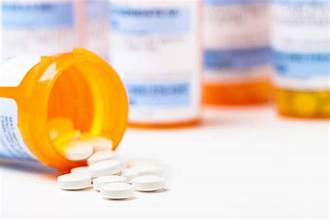
What Are Stimulants?
Stimulants, often called “uppers,” are substances that speed up the messages between the brain and body. They can be prescription medications or illicit drugs and are commonly used to treat certain medical conditions or for recreational purposes.
Common Types of Stimulants
- Prescription Stimulants: Methylphenidate (Ritalin), Dexamphetamine, Lisdexamfetamine (Vyvanse)
- Illicit Stimulants: Cocaine, Methamphetamine (Ice), MDMA (Ecstasy)
Medical Use of Stimulants in NSW
In Australia, stimulants are legally prescribed for:
- Attention Deficit Hyperactivity Disorder (ADHD)
- Narcolepsy
- In some cases, treatment-resistant depression
These medications are tightly controlled under the NSW Poisons and Therapeutic Goods Regulation 2008, requiring specialist prescription and careful monitoring.
Illicit Use and Street Stimulants
Illicit stimulant use is a major concern in NSW due to associated health and social harms. Common illegal stimulants include:
- Methamphetamine (Ice): Highly addictive, widely available
- Cocaine: Popular in nightlife scenes
- MDMA (Ecstasy): Common in festivals and parties
These drugs are often cut with other substances, increasing overdose and toxicity risks.
Legal Framework in NSW
Controlled Substances
Stimulants fall under Schedule 8 (Controlled Drugs) or Schedule 4 (Prescription Only Medicines), depending on the type and usage.
Possession and Trafficking Penalties
- Possession: Can lead to fines and imprisonment under the Drug Misuse and Trafficking Act 1985 (NSW)
- Supply and Trafficking: Severe penalties, including long-term imprisonment
Law enforcement takes a strong stance on illicit stimulant distribution, with dedicated task forces targeting synthetic and designer drugs.
Risks and Side Effects
Short-Term Effects:
- Increased heart rate and blood pressure
- Euphoria and increased energy
- Insomnia and anxiety
Long-Term Effects:
- Dependence and addiction
- Cardiovascular issues
- Psychosis, especially with methamphetamine
Harm Reduction and Support Services
NSW Health promotes harm reduction strategies, including:
- Needle and Syringe Programs (NSPs)
- Drug and Alcohol Treatment Services
- Pill Testing at festivals (trialed in some jurisdictions)
For those struggling with stimulant use, services such as ADIS (Alcohol and Drug Information Service) and Lifeline provide 24/7 support.
Final Thoughts
Stimulants in New South Wales represent both vital medical tools and significant public health concerns when misused. At MedMart Chemstore, we encourage informed, responsible use of prescription medications and advocate for community awareness around drug safety and legal compliance.