
Psilocybin Mushroom Grow Bags in Australia: Legal Status and Realities
Psilocybin mushroom grow bags have become a topic of growing interest in Australia. These kits typically contain a sterile growing medium, and the question of their legality is complex. The short answer is that while spores and grow kits are legal to possess because they do not contain psilocybin, cultivating psilocybin mushrooms from these bags is illegal and carries severe penalties . Consequently, this guide explores the legal intricacies, the risks involved, and the broader context of psilocybin in Australia.
The Legal Status of Grow Bags and Spores
Under Australian law, psilocybin and psilocin are the active psychoactive compounds that are strictly regulated. The spores of psilocybin mushrooms do not contain these compounds. Therefore, magic mushroom spores and grow kits are legal to possess . This is a crucial distinction that often leads to confusion.
However, the law is very clear on what happens next: cultivating a prohibited plant like magic mushrooms is a criminal offence . The legal framework is based on the Drug Misuse and Trafficking Act 1985 (NSW), which categorises drug quantities with increasing penalties . Cultivating magic mushrooms is an offence that can lead to imprisonment of between 2 years and 20 years depending on the quantity of plants . So, while you might legally own a grow bag or spores, the moment you use them to grow mushrooms, you have crossed into illegal territory.
The Medical Exception: Legal Psilocybin Use
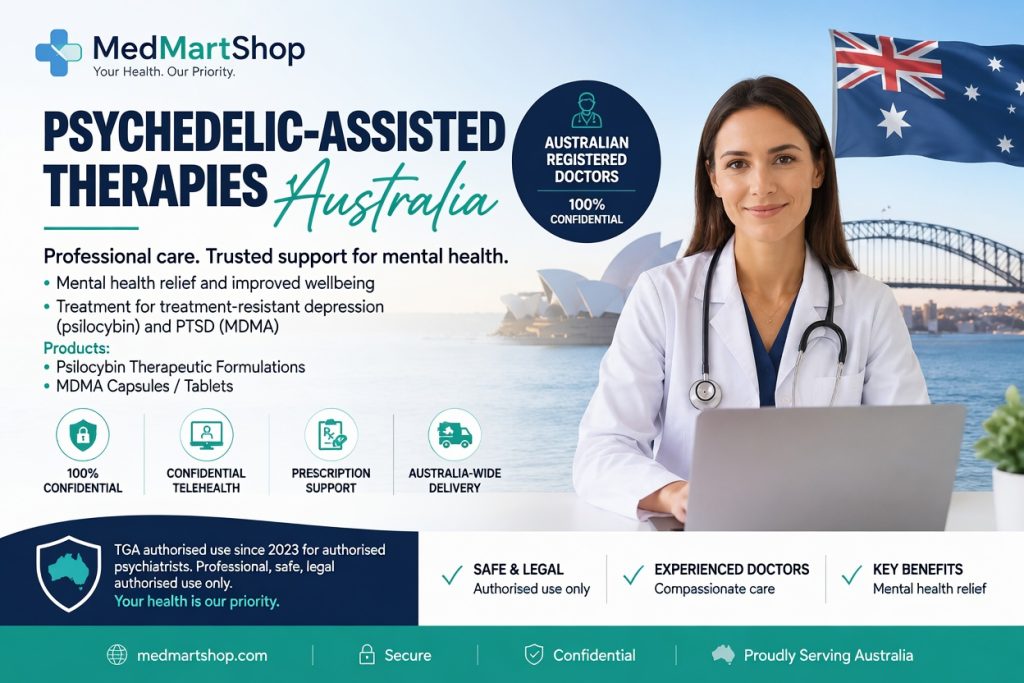
The only legal way to access psilocybin in Australia is through a strict medical pathway. Since July 1, 2023, the Therapeutic Goods Administration (TGA) has permitted the prescribing of psilocybin for treatment-resistant depression . This access is not through a grow bag but through a controlled medical process. Prescriptions are strictly controlled and limited to psychiatrists approved under the Authorised Prescriber Scheme .
The TGO 113 order established a ministerial standard for psilocybine. This ensures that any psilocybine medicines meet minimum quality requirements for Australian patients . However, there are currently no products containing psilocybine that the TGA has approved for registration in the Australian Register of Therapeutic Goods . This highlights that even the medical pathway is using unapproved therapeutic goods, which are not available for general purchase. The TGA guidance explicitly states that “protocols that allow patients to take these medicines home are not accepted under the AP scheme” .
The Legal Reality of Using Grow Bags
The law is strict in its application. A person found in possession of a traffickable quantity of psilocybin (0.15g) could face serious charges . For example, a 29-year-old woman from NSW faced 56 drug offences after police found 43 grams of psilocybin at her residence . The penalties for supply are even more severe. Commercial supply (25g of psilocybin) carries up to 20 years imprisonment, and large commercial supply (100g of psilocybin) can lead to life imprisonment .
Health and Identification Risks
There are also health risks associated with consuming mushrooms from unregulated sources. A Nimbin farmer warned that he had sprayed magic mushrooms in his fields with herbicide due to trespassing foragers . A toxicologist noted that while the herbicide is likely low risk, the major risk is bad psychological outcomes from unsupervised use . There is also the risk of misidentifying mushrooms, as many toxic species look similar to psilocybin mushrooms .
Conclusion
While psilocybin mushroom spores and grow bags are legal to possess in Australia, cultivation is a criminal offence with severe penalties. The only legal access to psilocybin is through a strict medical pathway for treatment-resistant depression. It is essential to understand this distinction. You must also be aware of the significant legal and health risks associated with any attempt to grow or use psilocybin mushrooms outside of a regulated medical setting. This guide is for educational and research purposes only and does not constitute legal advice.