
Natural Psychedelics Australia: A Guide to Legality, Access, and Research
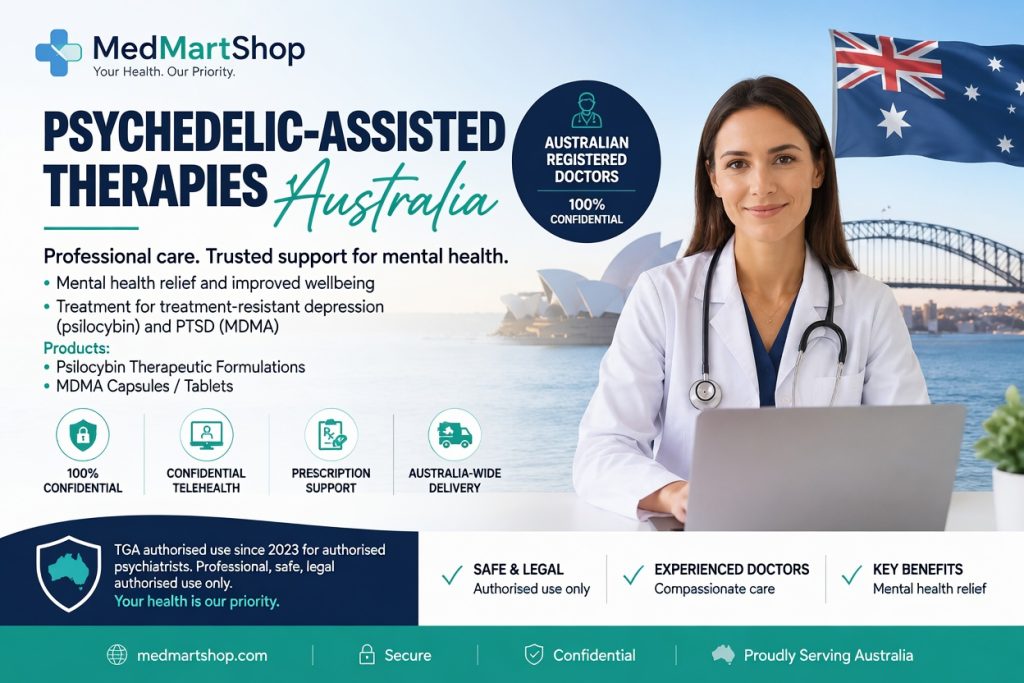
Australia possesses a unique and ancient relationship with naturally occurring psychedelics. From the psilocybin in native “magic mushrooms” to the potent DMT found in indigenous acacia species, the country’s flora holds powerful psychoactive compounds. Nevertheless, the legal status of these natural substances is complex and strictly regulated. This comprehensive guide explores the current legal landscape, therapeutic applications, and ongoing research into natural psychedelics in Australia.
What Are Natural Psychedelics?
Natural psychedelics are psychoactive substances derived from plants, fungi, or animals. They have been used for thousands of years in spiritual and healing ceremonies by Indigenous cultures worldwide . In Australia, the most significant natural psychedelics include:
Psilocybin: The active compound in “magic mushrooms.” Australia is home to several native psilocybin-containing mushroom species, particularly in subtropical and temperate regions.
DMT (Dimethyltryptamine): A powerful hallucinogen found in many Australian acacia (wattle) species, as well as in plants used to make the Amazonian brew ayahuasca .
Other Plant-Based Compounds: Research is exploring other natural compounds in Australian flora that may have psychedelic properties, with some experts suggesting wattle could contain the “next gen” of psychedelic drugs .
The Legal Status of Natural Psychedelics
The legal framework for natural psychedelics in Australia is governed by federal and state/territory laws, primarily through the Therapeutic Goods Administration (TGA) and various criminal codes.
Psilocybin and MDMA: The Therapeutic Exception
In a landmark decision, the TGA rescheduled psilocybin and MDMA from Schedule 9 (Prohibited Substances) to Schedule 8 (Controlled Medicines) on July 1, 2023 . This allows specifically authorized psychiatrists to prescribe these substances for:
- Psilocybin: Treatment-Resistant Depression (TRD)
- MDMA: Post-Traumatic Stress Disorder (PTSD)
Crucially, this legal access is strictly limited to therapeutic use under a psychiatrist’s care. It does not legalize psilocybin or MDMA for any other purpose. As a result, possessing, using, or supplying these substances outside this medical framework remains illegal, carrying significant criminal penalties .
Other Natural Psychedelics: Remain Illegal
- DMT and Ayahuasca: DMT, the active component of ayahuasca, remains a Schedule 9 prohibited drug across all Australian states and territories . Possession, use, supply, or importation of DMT or ayahuasca is illegal and carries severe penalties, including imprisonment for large quantities . The Office of Drug Control requires licenses and permits for any import or export of DMT .
- Kambo: This poison, harvested from an Amazonian tree frog, was classified as a prohibited substance in Australia in 2021 .
- Other Psychedelics: Substances like LSD remain entirely prohibited for any use .
The Research Landscape: Exploring Australian Flora
Australian researchers are at the forefront of exploring the potential of native psychedelics, particularly those found in the over 1,000 species of acacia trees across the continent .
The Wattle Study
Researchers at the NICM Health Research Institute at Western Sydney University are leading a study to test 855 species of Australian wattle for psychedelic properties, including DMT . The study, expected to take five years, aims to identify compounds that could be used for cutting-edge psychiatric therapies. Lead researcher Dr. Mitchell Low notes that the DMT found in some wattle samples is more potent than the Amazonian plants traditionally used to make ayahuasca .
This research is part of a broader effort to find “next-generation” psychedelic drugs that may be more effective or have different properties than existing compounds. As Dr. Low explains, “DMT has the real mental health applications in terms of psychedelic-assisted therapies, but there are very likely other psychedelics in there, and we think we’ve found some” . A 2025 study tested a wattle-derived DMT formulation on nine healthy participants, with participants reporting positive effects .
Risks and Responsibilities
The use of natural psychedelics carries inherent risks, particularly outside of controlled medical settings.
Legal Risks:
- Possession of psilocybin mushrooms or DMT can lead to criminal charges
- Supply offences carry significantly higher penalties, including potential imprisonment
- The ACT has decriminalized small amounts of some drugs, but psilocybin is still only decriminalized in small quantities in the ACT
Health Risks:
- “Bad psychological outcomes” are a major risk of unsupervised use
- Potential for increased blood pressure and dangerous interactions with other medications
- Unregulated natural products may be contaminated (e.g., with herbicides)
Conclusion
Australia is a global pioneer in therapeutic psychedelics, yet natural psychedelics remain largely illegal. The legal access to psilocybin and MDMA is a strictly controlled medical pathway for specific mental health conditions, while other natural psychedelics like DMT remain prohibited. Groundbreaking research into Australian flora, particularly wattle, hints at a future where new, naturally derived psychedelic treatments may emerge. However, until that research translates into legal therapies, the use of natural psychedelics outside clinical settings carries significant legal and health risks. For those seeking treatment, discussing options with a psychiatrist is the only legal path forward.