
MDMA in Australia: A Guide to Its Legal Status, Therapeutic Use, and Illicit Market
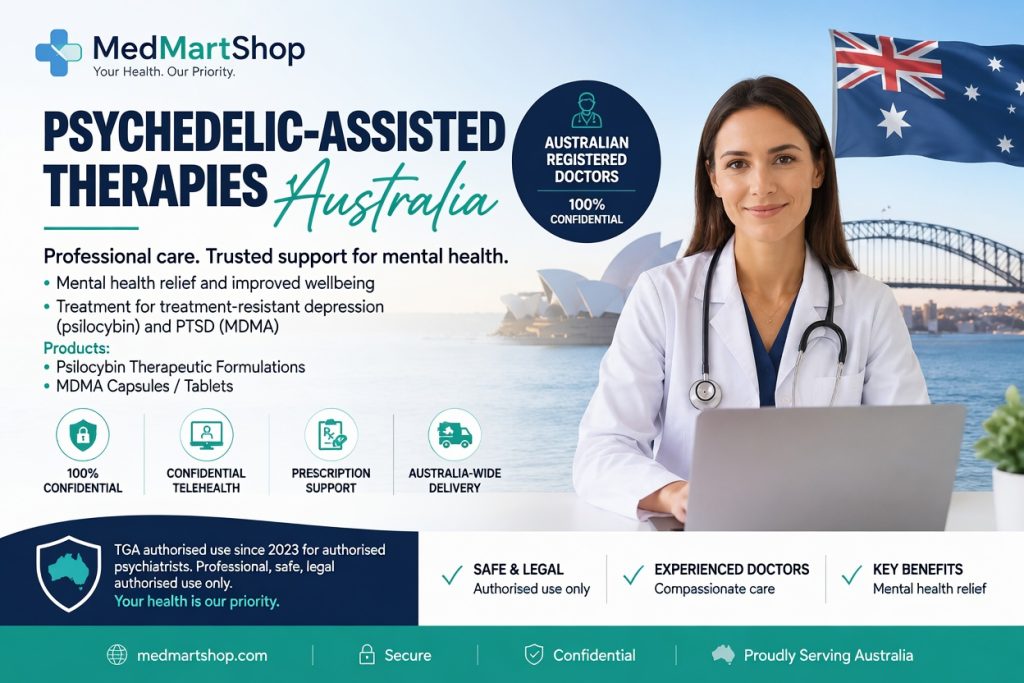
MDMA, commonly known as ecstasy or molly, occupies a unique and evolving position in Australia. The short answer is that MDMA remains illegal for general use. However, a landmark change occurred in 2023, creating a strictly controlled medical exception for specific mental health conditions. This guide provides an Australian-focused overview of MDMA’s legal status. It also covers the new therapeutic pathway, the illicit market, and important safety considerations.
The General Law: MDMA Is a Prohibited Substance
For decades, MDMA has been an illegal drug in Australia. It is currently a Schedule 9 (Prohibited Substance) in the Poisons Standard for all non-medical purposes. This means it is illegal to possess, use, or supply MDMA for recreational or general use. Possession of MDMA can lead to serious criminal penalties. These penalties include fines and imprisonment. In most states, penalties escalate with the quantity involved. Supplying MDMA is a more serious offence than simple possession.
The Medical Exception: A New Pathway for Patients
On July 1, 2023, the Therapeutic Goods Administration (TGA) made a historic decision. The TGA rescheduled MDMA to a Schedule 8 (Controlled Drug) medicine. It did this for the specific treatment of post-traumatic stress disorder (PTSD) . This means that, in a strictly controlled medical setting, MDMA now has a legitimate therapeutic use.
This new pathway is highly regulated. It is not a form of general access.
- Who Can Prescribe? Only specialist psychiatrists can prescribe MDMA. They must be registered with the Australian Health Practitioner Regulation Agency (AHPRA). They must also be Fellows of the Royal Australian and New Zealand College of Psychiatrists (RANZCP).
- The Authorised Prescriber (AP) Process: To prescribe MDMA, a psychiatrist must develop a clinical treatment protocol. They must obtain approval from a registered Human Research Ethics Committee (HREC). Then, they apply to and receive specific authorisation from the TGA under the Authorised Prescriber scheme.
- Strict Treatment Conditions: Treatment must occur in a medically supervised setting. Patients cannot take the medicine home. The psychiatrist must remain present for the administration of the drug.
Current Access Numbers and Costs
Access to MDMA therapy remains limited. As of 2026, approximately 40 psychiatrists hold approvals to prescribe MDMA and psilocybin outside of clinical trials. About 164 patients have received MDMA-assisted therapy. The cost is a major barrier. A course of MDMA-assisted therapy at private clinics costs approximately $30,000. In June 2025, Medibank became the first private health insurer to fund the psychotherapy component of the treatment. The Department of Veterans’ Affairs (DVA) is also providing access for eligible veterans with severe PTSD.
TGA Framework Refinements
The TGA has recently refined the regulatory framework for MDMA and psilocybin therapy. These refinements address procedural and practical challenges. Key recommendations include:
- Psychiatrist Experience: Psychiatrists must demonstrate competency in psychedelic-assisted therapy. They can do this through clinical trial experience or supervised practice under an experienced AP psychiatrist.
- Therapy Team Composition: Treatment must be administered by a “therapy dyad.” This consists of the AP psychiatrist and at least one other registered healthcare practitioner. Examples include clinical psychologists, mental health nurses, and occupational therapists.
- Prescriber Oversight: The AP psychiatrist is responsible for patient screening and informed consent. They must also be physically present during the administration of the medicine.
- Treatment Site Standards: The site must meet clear minimum standards. These include emergency resuscitation capability, secure storage for Schedule 8 medicines, and proximity to an emergency department within 15 minutes.
The Illicit MDMA Market and Health Risks
While MDMA is used therapeutically, the illicit market remains active and poses significant health risks. Data from Victoria’s first pill testing trial at Beyond the Valley music festival in early 2025 revealed that MDMA, ketamine, and cocaine were the common drugs presented for testing. Almost 40% of festivalgoers said they would use a smaller amount of their drugs following a conversation with a healthcare worker as part of the testing process.
Public health authorities continue to issue warnings about high-dose MDMA. In October 2025, NSW Health warned about multiple capsules of various appearances. These capsules contained over 150mg of MDMA. High-dose MDMA use has been linked to death and other serious harms. The Department of Health advises that if you or others experience symptoms such as feeling really hot and sweaty, a racing heart, confusion, or vomiting after taking MDMA, you should get help immediately and call Triple Zero (000).
Research and Safety Considerations
A longitudinal study from Victoria found that MDMA use in early adulthood appears to be associated with increased odds of anxiety disorders. However, it was not linked to depressive disorders by the mid-30s. The study found that frequent MDMA use was linked to 2.56 times the odds of an anxiety disorder compared to non-users. This suggests that while MDMA may not create classical physical dependence, it carries significant long-term mental health risks.
Conclusion
MDMA is not legal for general use in Australia. Possession and supply are criminal offences with severe penalties. However, a pioneering medical exception now exists. Authorised psychiatrists can prescribe MDMA for PTSD in a strictly controlled clinical setting. This is a tightly regulated pathway. It is not a general relaxation of the law. The illicit market remains active and poses significant health risks. These risks include high-dose dangers and long-term mental health effects. This guide is for educational and research purposes only. It does not constitute legal or medical advice.e is for educational and research purposes only and does not constitute legal or medical advice.