
Endone in Australia: A Complete Guide to Use, Safety, Regulation, and Pain Management
Endone is one of the most well-known prescription pain medications used in Australia for managing moderate to severe pain. Because it is a strong opioid, it is tightly regulated and only used when other pain relief options are not effective. Although it is commonly prescribed after surgery or injury, it also requires careful medical supervision due to its potential risks.
In this comprehensive guide, we explore everything Australians need to know about Endone, including how it works, when it is prescribed, safety considerations, side effects, regulations, and its role in modern pain management.
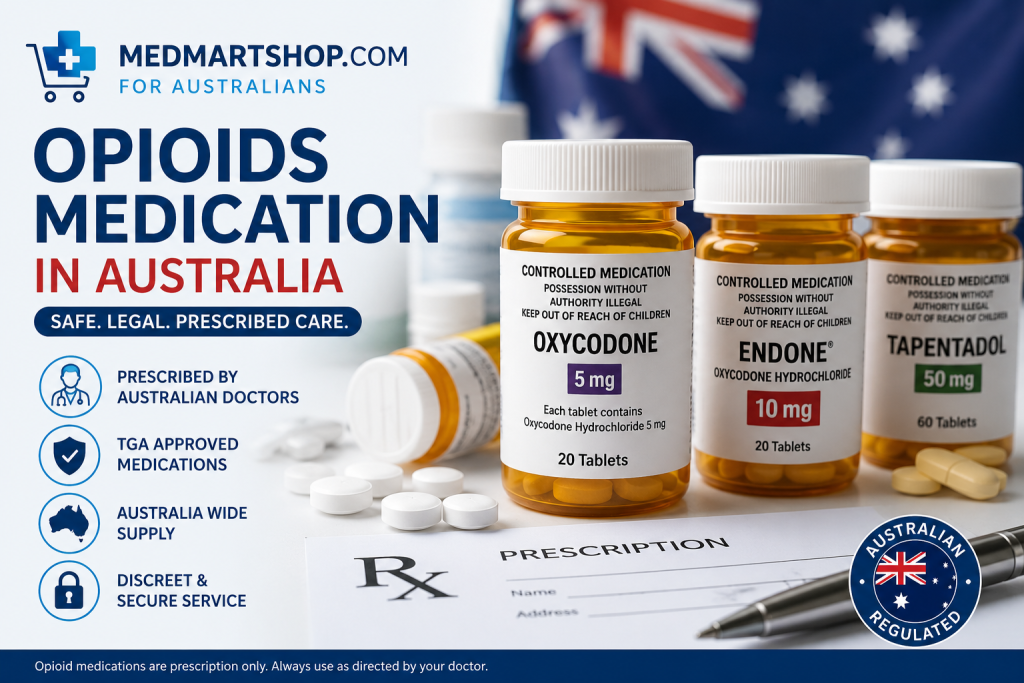
What Is Endone?
Endone is a brand name for the opioid pain medication Endone. It contains oxycodone, which is a strong opioid analgesic used to treat moderate to severe pain.
In Australia, Endone is available only with a prescription. Moreover, it is classified as a Schedule 8 controlled medicine, meaning it is strictly regulated under national drug laws.
Although Endone is effective for pain relief, it does not treat the underlying cause of pain. Instead, it changes how the brain and nervous system respond to pain signals.
How Endone Works in the Body
Endone works by acting on the central nervous system. Specifically, it binds to opioid receptors in the brain and spinal cord. As a result, pain signals are reduced, and the perception of pain becomes less intense.
Furthermore, Endone also affects emotional responses to pain. Therefore, patients often feel more comfortable even when the underlying condition remains.
However, because it acts on brain chemistry, the body may gradually adapt. Consequently, tolerance can develop over time, which may reduce effectiveness if used long term.
When Is Endone Prescribed in Australia?
In Australia, doctors prescribe Endone only when other pain relief options are insufficient. It is typically used for short-term or carefully monitored treatment.
Common uses include:
- Post-surgical pain
- Severe injury or trauma
- Cancer-related pain
- Acute severe musculoskeletal pain
- Palliative care situations
Additionally, it may be used in hospital settings where rapid pain control is required.
However, doctors generally avoid long-term use unless absolutely necessary. Instead, they combine it with other therapies to reduce reliance on opioids.
Regulation of Endone in Australia
Endone is strictly regulated by Australian health authorities due to its potential for dependence and misuse.
The key regulatory bodies include:
- Therapeutic Goods Administration (TGA)
- Pharmacy Board of Australia
- Australian Health Practitioner Regulation Agency (AHPRA)
- State and territory health departments
👉 TGA official site: Therapeutic Goods Administration
Because of these regulations, Endone is classified as a Schedule 8 medicine. Therefore:
- Only licensed doctors can prescribe it
- Pharmacies must record each supply
- Prescriptions are closely monitored
- Repeat dispensing is strictly controlled
Moreover, these rules help ensure safe use while reducing misuse across Australia.
PBS and Access to Endone in Australia
Endone may be subsidised under the Pharmaceutical Benefits Scheme (PBS) depending on medical eligibility.
👉 PBS official site: Pharmaceutical Benefits Scheme
Through the PBS, eligible patients may access Endone at a reduced cost. However, strict prescribing criteria apply, especially for repeat prescriptions.
In addition, doctors must regularly review ongoing use to ensure that the medication remains appropriate.
Forms and Strengths of Endone
Endone is typically available as immediate-release tablets. These are designed for fast pain relief and short-term use.
Common characteristics include:
- Rapid onset of action
- Short duration of effect
- Used for breakthrough or acute pain
Because of its short-acting nature, Endone is often used alongside longer-acting pain management strategies.
Side Effects of Endone
Like all opioid medications, Endone can cause side effects. These may vary depending on dosage, duration, and individual response.
Common side effects include:
- Drowsiness
- Constipation
- Nausea
- Dizziness
- Dry mouth
More serious risks include:
- Respiratory depression
- Confusion
- Low blood pressure
- Dependence
- Addiction
Because of these risks, doctors carefully monitor patients during treatment.
Dependence and Tolerance Risks
One of the most important concerns with Endone is the risk of dependence.
Over time, the body may adapt to the medication. As a result, higher doses may be needed to achieve the same effect. This condition is known as tolerance.
Furthermore, physical dependence may develop if Endone is used for extended periods. Consequently, stopping suddenly may lead to withdrawal symptoms such as:
- Anxiety
- Sweating
- Muscle pain
- Irritability
- Sleep disturbances
Therefore, doctors usually reduce doses gradually when discontinuing treatment is necessary.
Safe Use of Endone in Australia
Safe use is extremely important when taking Endone. Patients should always follow medical instructions carefully.
Key safety guidelines include:
- Take only the prescribed dose
- Avoid alcohol while using Endone
- Do not combine with sedatives unless approved by a doctor
- Store medication securely
- Do not share medication with others
Additionally, pharmacists provide guidance on proper use and monitor for potential drug interactions.
Moreover, patients should attend regular medical reviews to ensure ongoing safety.
Endone and Driving in Australia
Endone can impair alertness, coordination, and reaction time. Therefore, patients are advised not to drive or operate machinery while using this medication until they understand how it affects them.
Furthermore, Australian road safety laws may apply if impairment is detected. As a result, safety must always take priority when using opioid medications.
Role of Doctors and Pain Specialists
Doctors and pain specialists play a critical role in managing Endone treatment.
They:
- Assess pain severity and underlying causes
- Determine whether Endone is appropriate
- Monitor for side effects and misuse
- Adjust dosage when needed
- Plan gradual discontinuation if required
Moreover, pain specialists often combine Endone with non-opioid treatments to reduce long-term reliance.
Non-Opioid Alternatives in Australia
Because of the risks associated with opioids, Australian healthcare strongly encourages alternative pain management strategies.
These include:
- Paracetamol and NSAIDs
- Physiotherapy and exercise programs
- Cognitive Behavioural Therapy (CBT)
- Nerve blocks and interventional treatments
- Multidisciplinary pain clinics
In addition, these approaches often provide better long-term outcomes for chronic pain patients.
Storage and Safety Guidelines
Proper storage of Endone is essential for safety and legal compliance.
Patients should:
- Keep medication in a locked or secure place
- Store away from children and pets
- Avoid sharing medication
- Dispose of unused tablets through pharmacy return programs
Because Endone is a controlled substance, strict storage practices help prevent misuse and accidental ingestion.
Signs of Misuse or Overuse
Healthcare providers monitor for potential misuse of Endone. Warning signs may include:
- Taking higher doses than prescribed
- Requesting early refills
- Using the medication for non-medical reasons
- Changes in behaviour or mood
- Seeking prescriptions from multiple providers
If any of these signs appear, immediate medical review is required.
The Future of Opioid Use in Australia
Australia continues to strengthen its approach to opioid safety. Over recent years, prescribing guidelines have become stricter, and monitoring systems have improved significantly.
Furthermore, healthcare providers are increasingly encouraged to:
- Reduce opioid prescribing where possible
- Use multimodal pain management strategies
- Educate patients about risks
- Monitor long-term use closely
As a result, patient safety and responsible prescribing remain national priorities.
Conclusion
Endone remains an important medication in Australian healthcare for managing severe pain in carefully controlled situations. However, due to its risks, it is strictly regulated and closely monitored by healthcare professionals.
Through the combined efforts of doctors, pharmacists, and regulatory bodies such as the TGA and PBS, Australians can access Endone safely when medically necessary.
Ultimately, effective pain management relies on a balanced approach that includes medication, alternative therapies, and continuous medical supervision to ensure the best possible outcomes.