
Clinical Trials of Psychedelics in Australia: A Comprehensive Overview
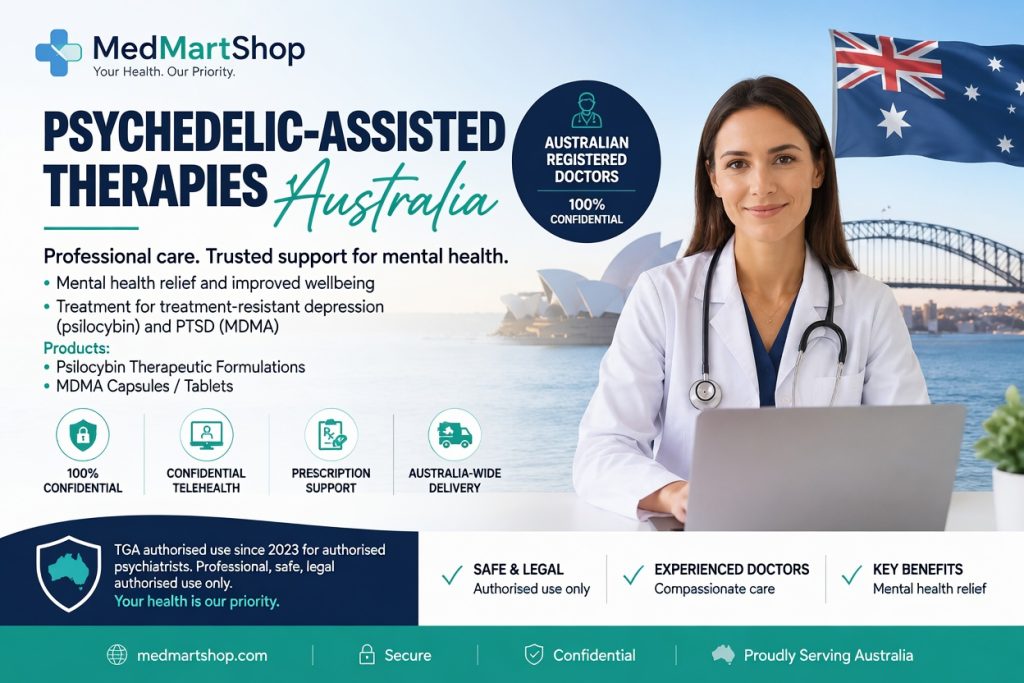
Australia has established itself as a global leader in psychedelic research. Since the Therapeutic Goods Administration (TGA) rescheduled MDMA and psilocybin in 2023, clinical trials across the country have expanded rapidly. Consequently, Australia now hosts a diverse portfolio of studies investigating these substances for various mental health conditions. This guide provides a comprehensive overview of current clinical trials, their scope, and how Australians can participate.
The Regulatory Framework for Clinical Trials
Before exploring specific trials, it is essential to understand the regulatory environment. The TGA allows access to unapproved psychedelics through two main pathways. First, the Authorised Prescriber (AP) scheme enables psychiatrists to prescribe MDMA and psilocybin for specific conditions outside of trials. Second, clinical trials provide a structured research environment for investigating new applications and gathering safety data.
Clinical trials require approval from a registered Human Research Ethics Committee (HREC) and must be registered on the Australian New Zealand Clinical Trials Registry (ANZCTR). All trials must adhere to strict safety protocols, and participants receive comprehensive psychological support throughout the process.
Psilocybin Trials: A Diverse Research Landscape
Psilocybin is the most studied psychedelic in Australian clinical trials. Researchers are investigating its potential across multiple conditions.
Depression and Anxiety Disorders
Several major trials focus on psilocybin for depression and anxiety. A Phase 2 trial at Swinburne University is investigating psilocybin for Treatment-Resistant Depression (TRD), with 15 participants receiving 25mg psilocybin with psychotherapy. Similarly, the Psilocybin Medicine Open-Label Study (PMOS) is evaluating the safety and efficacy of psilocybin-assisted therapy for TRD in an Australian clinical context.
Monash University leads a Phase 2 trial for Generalised Anxiety Disorder (GAD), with 62 participants receiving 25 or 30mg psilocybin with psychotherapy. Additionally, researchers at St Vincent’s Hospital Melbourne have completed a trial for depression and anxiety in patients with life-threatening illnesses, with 35 participants receiving 25mg psilocybin or placebo with psychotherapy.
New and Expanding Indications
Australian researchers are pioneering psilocybin trials for novel conditions. Monash University has launched Australia’s first clinical trial testing psilocybin for persistent post-concussion symptoms. Up to 50% of people who sustain a concussion experience long-term effects, and the $1.5 million trial will study psilocybin’s potential to reduce neuroinflammation and enhance the brain’s ability to form new neural connections.
Psyence BioMed is conducting a Phase IIb trial evaluating natural psilocybin for Adjustment Disorder in patients with cancer in palliative care settings. The multi-site, double-blind, placebo-controlled study is enrolling 87 participants across five Australian sites, including the Empax Centre in Perth, the Mind Medicine Australia Clinic in Melbourne, Paratus Clinical Research, Ramsay Health Care, and NeuroCentrix.
Other psilocybin trials address methamphetamine use disorder at St Vincent’s Hospital Sydney, prolonged grief disorder at QIMR Berghofer, and treatment-resistant anorexia nervosa at the University of Sydney.
MDMA Trials: Focus on PTSD
MDMA-assisted psychotherapy is primarily being investigated for Post-Traumatic Stress Disorder (PTSD). Monash University is conducting a Phase 2 trial with 24 veterans, using 120mg plus a 40mg supplemental dose of MDMA. Edith Cowan University in Western Australia is running a small Phase 1/2 trial with four participants receiving 80 or 120mg MDMA with psychotherapy.
Additionally, Monarch Mental Health is conducting a large study with 100 participants, comparing MDMA and psilocybin arms to investigate their effects on brain activity.
Emerging Compounds: LSD and DMT
Researchers are also exploring other psychedelic compounds. The University of Auckland has completed a Phase 1 trial investigating microdosing LSD for creativity and brain mechanisms. St Vincent’s Hospital Melbourne is conducting a Phase 1 trial with 8 participants using DMT (1 mg/kg) combined with harmalas.
These early-stage trials are crucial for establishing the safety and potential of these less-studied compounds.
Participation and Access
Australians interested in participating in clinical trials can find opportunities through the ANZCTR database. Each trial has specific inclusion and exclusion criteria. For example, the PMOS trial for TRD requires participants to have failed to respond to at least two adequate courses of antidepressants and have a GRID-Hamilton Depression Rating Scale score of 20 or higher.
Importantly, participants in clinical trials receive comprehensive support, including preparation sessions before dosing, guided care during the psychedelic experience, and integration therapy afterward.
Conclusion
Australia’s clinical trial landscape for psychedelics is expanding rapidly. From psilocybin for post-concussion symptoms to MDMA for veteran PTSD, researchers are investigating these substances with scientific rigor. For Australians seeking innovative treatments, clinical trials offer a regulated and supported pathway to access these therapies. As the evidence base grows, these trials will inform future clinical practice and regulatory decisions, potentially expanding access to these promising treatments.