
Understanding MDMA in Australia: Legal Status, Therapeutic Access, and Harm Reduction
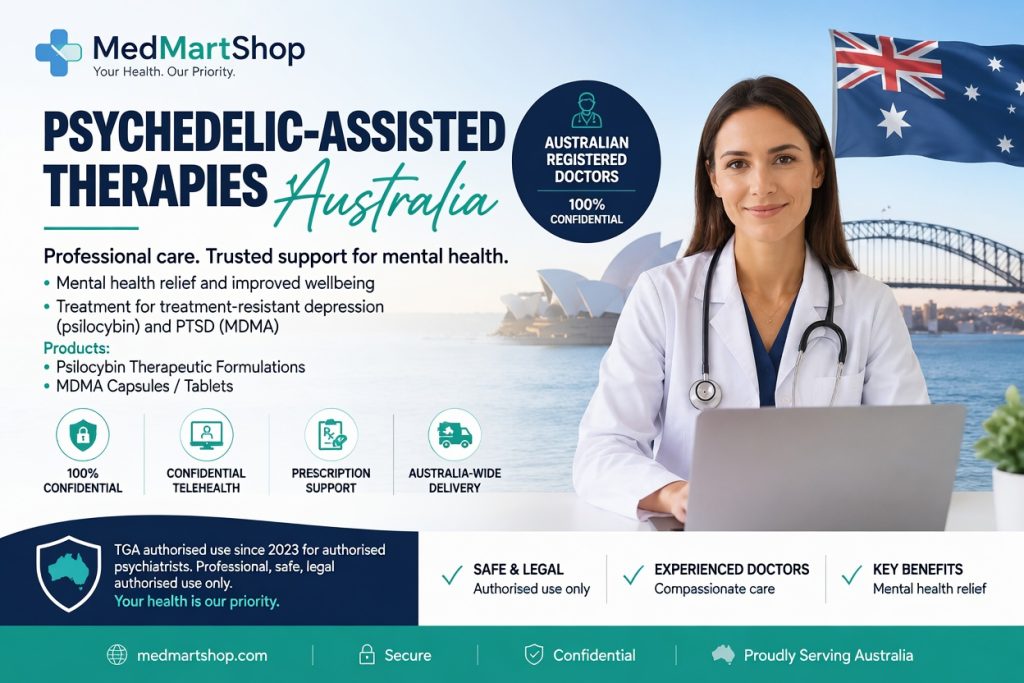
If you are researching MDMA in Australia, it is crucial to understand that this substance is strictly regulated. MDMA, commonly known as ecstasy, is illegal for general use across the country. However, a landmark change in 2023 created a tightly controlled medical exception for specific mental health conditions. This guide provides an Australian-focused overview of MDMA’s legal status, the therapeutic pathway, and harm reduction initiatives.
The General Law: MDMA Remains a Prohibited Substance
For all non-medical purposes, MDMA is classified as a Schedule 9 (Prohibited Substance) in the Poisons Standard. This means it is illegal to possess, use, or supply MDMA for recreational or general use. Possession can lead to serious criminal penalties, including fines and imprisonment.
The Medical Exception: A New Pathway for Patients
On July 1, 2023, the Therapeutic Goods Administration (TGA) rescheduled MDMA to a Schedule 8 (Controlled Drug) medicine for the specific treatment of post-traumatic stress disorder (PTSD). This allows authorised psychiatrists to prescribe MDMA outside of clinical trials for this specific condition.
Key Requirements for Medical Access:
- Prescriber Eligibility: Only psychiatrists registered with the Australian Health Practitioner Regulation Agency (AHPRA) who are Fellows of the Royal Australian and New Zealand College of Psychiatrists (RANZCP) can prescribe MDMA.
- Authorised Prescriber Scheme: Psychiatrists must develop a clinical treatment protocol, obtain approval from a registered Human Research Ethics Committee (HREC), and receive specific authorisation from the TGA under the Authorised Prescriber Scheme.
- Strict Treatment Conditions: Treatment must occur in a medically supervised setting, patients cannot take the medicine home, and the psychiatrist must remain present for the administration. There are currently no MDMA products registered on the Australian Register of Therapeutic Goods (ARTG), meaning any product used is unapproved and has not been evaluated by the TGA for safety, quality, and efficacy.
Australia’s first clinical guideline on MDMA-assisted psychotherapy (MDMA-AP) has been drafted. It conditionally recommends against the routine use of MDMA-AP for PTSD, limiting its use to adults with PTSD symptoms for at least six months who have already received adequate trials of first-line evidence-based treatments. The draft guideline was developed by experts from Monash University and is open for public consultation.
The Department of Veterans’ Affairs (DVA) has also approved funding for Psychedelic Assisted Psychotherapy (PAP) using MDMA for eligible veterans with PTSD, provided strict clinical requirements are met and the treatment is delivered by an Authorised Prescriber.
Concerns and Barriers to Access
Despite the pioneering framework, access to MDMA therapy remains limited and controversial:
- Slow Uptake and Cost: In the scheme’s first six months, only one patient was prescribed MDMA. By 2024, it was estimated that fewer than 80 patients had received the therapy. The high cost, estimated at over $20,000 per treatment course, is a significant barrier, with no current Medicare item number covering this model of care.
- Regulatory Inconsistencies: Differences have emerged in how states and territories apply the regulations. In New South Wales, practitioners need separate approval for every patient, and treatment must occur in a licensed private mental health facility, yet none is licensed for the required procedure, forcing patients to travel to Victoria. This inconsistency creates a “postcode lottery” for care.
- Safety and Misconduct Concerns: The TGA’s decision was controversial, with its own expert panel concluding the available evidence was of low quality. A US FDA advisory committee voted against approving MDMA for PTSD in 2024, partly due to concerns about data integrity and therapist misconduct in US clinical trials. While there have been no public reports of such misconduct in Australia, these international reports raise serious red flags.
Harm Reduction Initiatives and Drug Checking
Australia has also embraced harm reduction approaches to illicit drug use, including MDMA:
- ACT Decriminalisation: The ACT decriminalised small amounts of illicit drugs, including MDMA, in 2023, treating drug use as a health issue rather than a criminal one.
- Pill Testing: Victoria’s mobile pill testing service has been successful, with data showing that nearly 40% of festivalgoers said they would use a smaller amount of their drugs following a conversation with a healthcare worker as part of the testing process. The service has also identified dangerous substances being sold as MDMA, such as dipentylone, and issued public notifications.
Conclusion
MDMA is not legal for general use in Australia. Possession and supply remain criminal offences with severe penalties. However, a pioneering medical exception now allows authorised psychiatrists to prescribe MDMA for PTSD in a strictly controlled clinical setting. This is a tightly regulated pathway, not a general relaxation of the law. Australia is also implementing harm reduction measures such as pill testing to reduce the risks associated with illicit MDMA use. This guide is for educational and research purposes only and does not constitute legal or medical advice.