
Where Can Australians Find Accurate, Harm-Reduction-Focused Information and Support Around Psilocybin Use?
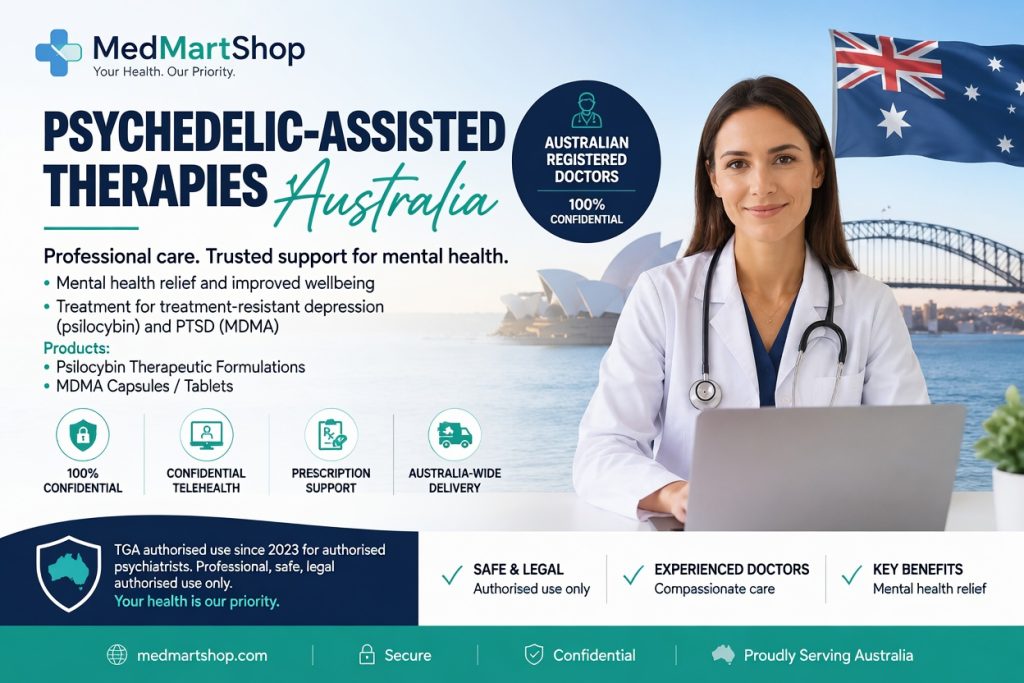
Psychedelic use in Australia is on the rise. Between 2019 and 2023, the number of Australians reporting recent psychedelic use grew from 300,000 to 500,000, with psilocybin use doubling from 0.9% to 1.8% of the population . This increase has coincided with growing public interest and the TGA’s landmark decision to reschedule psilocybin for therapeutic use . Nevertheless, for those using psilocybin outside clinical settings, access to accurate, harm-reduction-focused information is essential for safety. This guide provides a comprehensive overview of trusted Australian resources for evidence-based information, support, and emergency assistance.
Understanding Harm Reduction and Psilocybin
Harm reduction is a core pillar of Australia’s national drug strategy . It focuses on reducing the negative consequences of drug use rather than solely promoting abstinence . For psilocybin, which carries a low physical risk but a unique psychological risk profile, harm reduction involves strategies to prepare for, navigate, and integrate the experience safely . Research shows that users employ various strategies across three phases: before use (preparation, setting, dosage), during the experience (emotional support, music, environment), and after use (integration) . However, formal, evaluated harm reduction programs remain limited .
National and State-Funded Support Services
Poisons Information Centre (13 11 26)
The Poisons Information Centre is a vital, free, 24/7 service available anywhere in Australia . Staffed by pharmacists and clinical toxicologists, they provide expert advice on suspected poisonings, including adverse reactions to psilocybin mushrooms . If someone is having a severe psychological reaction (“bad trip”), a toxic exposure, or has eaten a toxic mushroom, call 13 11 26 immediately. They can assess the risk, provide first aid instructions, and advise if emergency care is needed. Do not induce vomiting unless instructed. Keep the product/container for identification. Call 000 if the person is unconscious, not breathing, or seizing .
Alcohol and Drug Foundation (ADF)
The ADF is Australia’s leading organisation for evidence-based alcohol and drug information . Their website (adf.org.au) features comprehensive Drug Facts pages on psilocybin, including effects, risks, and harm reduction strategies. They also offer Path2Help, a free online tool that connects users with support services tailored to their location and needs. The ADF also operates a free SMS service: text a drug name to 0439 835 563 for immediate information on its effects 24/7 .
State-Based Alcohol and Drug Services
Each state and territory has dedicated services providing support and information. For example, Drug and Alcohol Services South Australia (DASSA) offers a range of prevention, treatment, and information services based on harm minimisation principles . These services can be a first point of contact for support and information.
Community and Peer Support Organisations
Australian Psychedelic Society (APS)
The Australian Psychedelic Society is a registered charity that produces educational harm reduction material and provides peer support . They run events and community-building activities across major cities, offering a space for education and connection. They also advocate for policy change and promote psychedelic research .
The Medical Pathway: Clinical Trials and TGA-Approved Care
For those seeking psilocybin for mental health, the only legal avenue is the medical pathway. Since July 2023, the TGA has allowed authorised psychiatrists to prescribe psilocybin for treatment-resistant depression .
Finding Clinical Trials
Australians can participate in registered clinical trials investigating psilocybin for various conditions. The Monash University Clinical Psychedelic Lab, for instance, is conducting a trial for persistent post-concussion symptoms in Melbourne . Mind Medicine Australia provides an overview of current trials in Australia and New Zealand . Eligibility and referral pathways vary per trial.
Department of Veterans’ Affairs (DVA) Funding
DVA has approved funding for Psychedelic Assisted Psychotherapy (PAP) using psilocybin for eligible veterans with treatment-resistant depression . To receive funding, veterans must meet strict clinical requirements and be referred to an Authorised Prescriber psychiatrist . DVA emphasises that PAP is not an initial treatment and that veterans cannot be reimbursed if they self-fund .
Key Harm Reduction Principles for Psilocybin Use
Based on the research, users in naturalistic settings employ several strategies that can be useful to know :
Before use: Seek knowledge, carefully choose your setting (safe, comfortable environment), prepare your mindset (intention, calm mental state), start with a low dose, and avoid mixing with alcohol or other drugs. Ensure you are in a safe physical space.
During the experience: Have a trusted, sober companion present for support. Use calming music and modify the environment if things become overwhelming. Focus on grounding techniques.
After the experience: Integrate the experience by reflecting on it and applying insights to daily life. Avoid making major life decisions during or immediately after a session.
Conclusion
Australians have access to a range of harm-reduction-focused resources for psilocybin use. For emergencies, the Poisons Information Centre (13 11 26) is the first point of contact. For general information and support, the Alcohol and Drug Foundation and the Australian Psychedelic Society provide evidence-based materials and community connection. For those seeking therapeutic use, clinical trials and the TGA-authorised medical pathway offer legal options, though access is limited and requires a medical referral. As psilocybin use increases, these resources are crucial for minimising risks and promoting informed, safer practices. This guide is for educational and research purposes only and does not constitute legal or medical advice.