
Fentanyl Patches Australia: A Complete Guide to Uses, Safety, Side Effects, and Pain Management
Fentanyl patches are among the strongest prescription pain management treatments available in Australia. They are primarily used for patients experiencing severe, ongoing pain that cannot be adequately controlled with other medications. Because fentanyl is a highly potent opioid, Australian healthcare professionals prescribe and monitor these patches very carefully.
Furthermore, fentanyl patches provide continuous pain relief over several days, making them different from short-acting opioid tablets. Consequently, they are often used for chronic pain, cancer pain, and palliative care when long-term opioid therapy is considered necessary.
However, fentanyl patches are associated with significant risks, including dependence, overdose, and respiratory depression. Therefore, patients must understand how these medications work, when they are prescribed, and how to use them safely.
This comprehensive Australian guide explains everything you need to know about fentanyl patches, including their uses, benefits, side effects, regulations, safety precautions, and alternative pain management approaches.
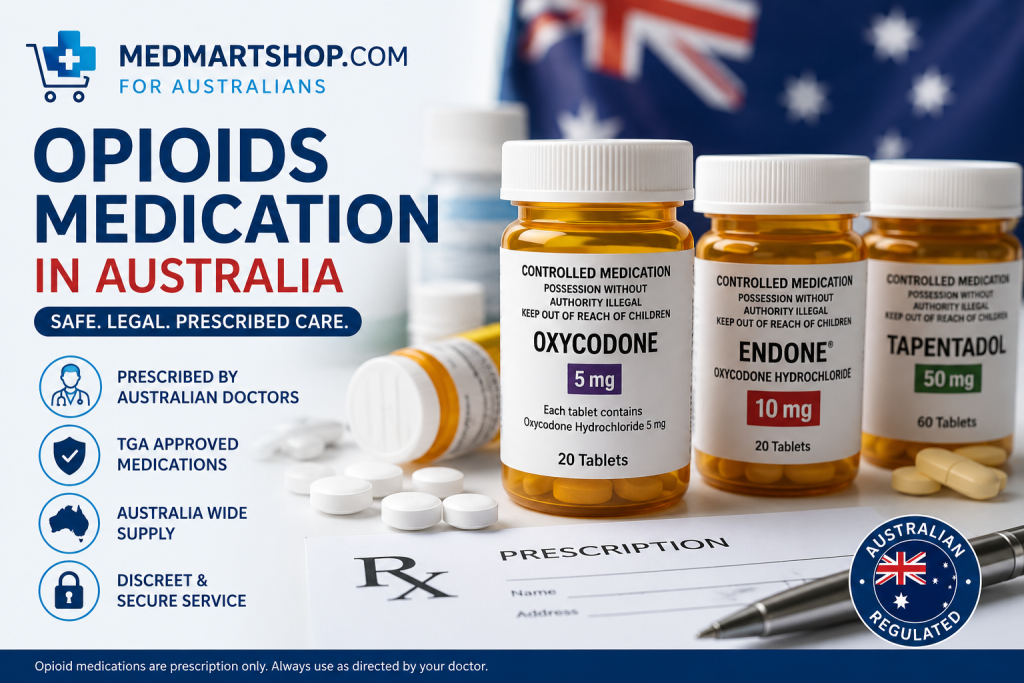
What Are Fentanyl Patches?
Fentanyl patches are transdermal opioid medications designed to deliver fentanyl through the skin into the bloodstream over an extended period.
Unlike oral pain medicines that are taken several times per day, fentanyl patches provide continuous medication delivery for up to 72 hours in many patients. Consequently, they help maintain stable pain control without frequent dosing.
In Australia, fentanyl patches are generally reserved for patients who:
- Experience severe chronic pain
- Require continuous opioid therapy
- Have pain that responds to opioid treatment
- Have not achieved adequate relief from other options
Furthermore, they are not generally intended for short-term pain management or mild pain conditions.
How Fentanyl Patches Work
Pain signals travel through the nervous system to the brain.
Fentanyl works by attaching to opioid receptors located in the brain and spinal cord.
As a result:
- Pain perception decreases
- Pain signals are reduced
- Comfort improves
- Daily functioning may become easier
Furthermore, the patch continuously releases fentanyl through the skin, which helps maintain consistent medication levels throughout the day and night.
Consequently, patients may experience more stable pain control compared with some short-acting medications.
Why Fentanyl Patches Are Different from Other Opioids
Many opioid medications require multiple daily doses.
However, fentanyl patches provide:
- Continuous medication delivery
- Long-lasting pain relief
- Consistent blood levels
- Reduced dosing frequency
Therefore, they may be suitable for selected patients requiring ongoing pain management.
Furthermore, fentanyl is significantly more potent than many commonly prescribed opioid medications.
Because of this potency, treatment requires careful assessment and monitoring.
Common Uses of Fentanyl Patches in Australia
Australian healthcare professionals prescribe fentanyl patches for specific situations.
Chronic Severe Pain
Chronic pain affects many Australians.
Examples include:
- Advanced arthritis
- Severe spinal conditions
- Persistent musculoskeletal pain
- Complex pain syndromes
Consequently, fentanyl patches may be considered when other treatment options have proven inadequate.
Cancer Pain
Cancer-related pain often requires ongoing management.
Therefore, fentanyl patches are commonly used to provide continuous pain relief for eligible patients.
Furthermore, stable pain control may improve comfort and quality of life.
Palliative Care
Palliative care focuses on improving quality of life for patients with serious illnesses.
As a result, fentanyl patches may be prescribed to manage persistent pain and discomfort.
Moreover, continuous drug delivery can reduce the need for frequent medication administration.
Who May Be Suitable for Fentanyl Patches?
Not every patient experiencing pain is an appropriate candidate for fentanyl patches.
Australian prescribing guidelines generally recommend fentanyl patches only for carefully selected patients with established opioid requirements. Furthermore, fentanyl patches are generally not recommended for opioid-naive patients because of the increased risk of serious side effects and respiratory depression.
Therefore, healthcare professionals conduct thorough assessments before initiating treatment.
Available Fentanyl Patch Strengths in Australia
Several strengths of fentanyl patches are available in Australia.
Common strengths include:
- 12 micrograms/hour
- 25 micrograms/hour
- 50 micrograms/hour
- 75 micrograms/hour
- 100 micrograms/hour
The strength selected depends on individual patient requirements, opioid history, and clinical assessment.
Furthermore, dose adjustments are made cautiously to improve safety.
Australian Regulation of Fentanyl Patches
Australia maintains strict controls over fentanyl products.
Several organisations oversee their approval and use.
Therapeutic Goods Administration (TGA)
Therapeutic Goods Administration evaluates medicines before they become available to Australian consumers.
Consequently, fentanyl patches must meet strict standards for:
- Safety
- Quality
- Effectiveness
Furthermore, ongoing monitoring continues after approval.
Schedule 8 Controlled Medicine
Fentanyl is generally classified as a Schedule 8 controlled medicine.
Because of this classification:
- Prescriptions are monitored
- Dispensing records are maintained
- Supply controls are enforced
- Additional prescribing requirements apply
Consequently, healthcare professionals must follow strict legal and clinical requirements.
Real-Time Prescription Monitoring
Many Australian states and territories utilise prescription monitoring programs.
These systems help:
- Improve patient safety
- Detect inappropriate prescribing
- Reduce misuse
- Support healthcare professionals
As a result, opioid-related harms may be reduced.
Pharmaceutical Benefits Scheme (PBS)
Some fentanyl products may be subsidised through Australia’s Pharmaceutical Benefits Scheme.
Pharmaceutical Benefits Scheme helps eligible Australians access medications at lower costs.
Consequently, treatment may become more affordable for qualifying patients.
However, eligibility requirements vary according to clinical circumstances.
Benefits of Fentanyl Patches
When prescribed appropriately, fentanyl patches may offer several benefits.
These include:
- Continuous pain relief
- Reduced dosing frequency
- Improved symptom stability
- Enhanced comfort
- Better sleep quality
- Increased daily functioning
Furthermore, patients may find patch-based treatment more convenient than multiple daily tablets.
Consequently, adherence to treatment may improve.
Common Side Effects of Fentanyl Patches
Like all opioid medications, fentanyl patches may cause side effects.
Common side effects include:
- Constipation
- Drowsiness
- Dizziness
- Nausea
- Vomiting
- Dry mouth
- Fatigue
Furthermore, some patients may experience mild confusion or reduced concentration.
Therefore, ongoing communication with healthcare providers is important.
Serious Risks Associated with Fentanyl Patches
Although fentanyl patches can provide substantial pain relief, important risks remain.
Respiratory Depression
One of the most serious risks is slowed breathing.
Because fentanyl affects the central nervous system, excessive exposure can suppress breathing.
Therefore, careful dose selection and monitoring are essential.
Dependence
Physical dependence may develop during long-term treatment.
Consequently, withdrawal symptoms may occur if treatment stops suddenly.
Examples include:
- Anxiety
- Sweating
- Restlessness
- Sleep disturbances
- Muscle aches
Therefore, treatment changes should occur gradually under medical supervision.
Tolerance
Over time, the body may adapt to fentanyl.
As a result, pain relief effectiveness may decrease.
Consequently, healthcare professionals periodically review treatment plans.
Overdose
Because fentanyl is highly potent, overdose can occur if medication is misused or used incorrectly.
Symptoms may include:
- Extreme drowsiness
- Slow breathing
- Loss of consciousness
- Unresponsiveness
Because overdose can be life-threatening, emergency medical care should be sought immediately.
Important Safety Precautions
Safe use is essential when using fentanyl patches.
Patients should:
- Follow prescription instructions exactly
- Never alter patch doses independently
- Attend regular medical reviews
- Inform healthcare providers about side effects
- Store patches securely
Furthermore, fentanyl patches should never be cut, damaged, or modified. Damaged patches may deliver medication unpredictably and should not be used.
Heat Exposure and Fentanyl Patches
Heat can affect how fentanyl is absorbed through the skin.
Examples include:
- Heating pads
- Electric blankets
- Hot baths
- Saunas
- High fevers
Consequently, excessive heat may increase fentanyl absorption and potentially increase overdose risk.
Therefore, patients should discuss heat exposure precautions with healthcare professionals.
Fentanyl Patches and Alcohol
Alcohol should generally be avoided while using fentanyl patches.
This is because alcohol may increase:
- Sedation
- Drowsiness
- Breathing difficulties
- Accident risk
Consequently, combining alcohol with fentanyl may increase the risk of serious complications.
Fentanyl Patches and Driving
Fentanyl may impair:
- Alertness
- Concentration
- Coordination
- Reaction times
Therefore, patients should avoid driving or operating machinery until they understand how treatment affects them.
Additionally, Australian road safety laws may apply to medicines that impair driving ability.
Storage and Disposal
Proper storage is extremely important.
Patients should:
- Keep patches away from children
- Store them securely
- Follow package instructions
- Prevent unauthorised access
Moreover, used patches still contain fentanyl and require careful disposal.
Unused and used patches should be returned to pharmacies or disposed of according to healthcare professional instructions. Improper disposal may create serious safety risks.
Alternative Pain Management Approaches
Australia increasingly promotes comprehensive pain management strategies.
Therefore, fentanyl patches are often used alongside non-medication treatments.
Physiotherapy
Physiotherapy may help improve:
- Mobility
- Strength
- Physical function
- Recovery outcomes
Furthermore, exercise-based programs often support long-term pain control.
Psychological Therapies
Pain affects both physical and emotional wellbeing.
Consequently, Cognitive Behavioural Therapy (CBT) may help patients develop coping strategies.
Lifestyle Modifications
Healthy habits may support pain management.
Examples include:
- Regular exercise
- Healthy nutrition
- Weight management
- Quality sleep
- Stress reduction
As a result, overall wellbeing may improve.
Multidisciplinary Pain Clinics
Australian pain clinics often involve:
- Pain specialists
- Physiotherapists
- Psychologists
- Occupational therapists
- Pharmacists
Consequently, patients may receive comprehensive and personalised care.
The Future of Fentanyl Patch Use in Australia
Australian healthcare continues to focus on balancing effective pain relief with medication safety.
Current priorities include:
- Safer opioid prescribing
- Better patient education
- Enhanced prescription monitoring
- Expanded pain specialist access
- Increased use of multidisciplinary care
Furthermore, ongoing research continues to improve understanding of chronic pain and opioid-related risks.
Consequently, fentanyl patches are likely to remain an important treatment option for carefully selected patients while broader pain management strategies continue to evolve.
Conclusion
Fentanyl patches remain one of the most powerful pain management tools available in Australia for patients experiencing severe, ongoing pain. They provide continuous medication delivery and may improve comfort, function, and quality of life when used appropriately.
However, because fentanyl is an extremely potent opioid, treatment requires careful prescribing, close monitoring, and strict adherence to safety instructions. Therefore, Australians using fentanyl patches should work closely with their doctors, pharmacists, and pain specialists throughout treatment.
Ultimately, successful pain management involves combining appropriate medication use with physiotherapy, lifestyle strategies, psychological support, and ongoing healthcare supervision. Through this balanced approach, patients can achieve effective pain control while minimising potential risks.
Sources: Information on fentanyl patch indications, safety warnings, opioid tolerance requirements, patch strengths, 72-hour delivery, heat-related absorption risks, and misuse precautions is based on Australian medicine information and government guidance.