
Codeine Alternatives Australia: A Complete Guide to Safer Pain Relief Options and Pain Management
Pain is one of the most common reasons Australians seek medical care. Whether it results from injury, surgery, arthritis, migraines, dental procedures, or chronic health conditions, effective pain management plays an important role in maintaining quality of life. For many years, codeine was widely used throughout Australia for treating mild to moderate pain. However, changes to Australian regulations have significantly altered how codeine is accessed and prescribed.
Today, many Australians are searching for effective codeine alternatives that provide pain relief while supporting safe and responsible medication use. Furthermore, healthcare professionals increasingly recommend personalised treatment plans that combine medications with non-drug therapies to achieve better long-term outcomes.
Therefore, understanding the available alternatives to codeine is essential for patients, caregivers, and anyone seeking pain relief options in Australia.
This comprehensive guide explains codeine alternatives available in Australia, their benefits, safety considerations, and how modern pain management approaches are helping Australians manage pain more effectively.
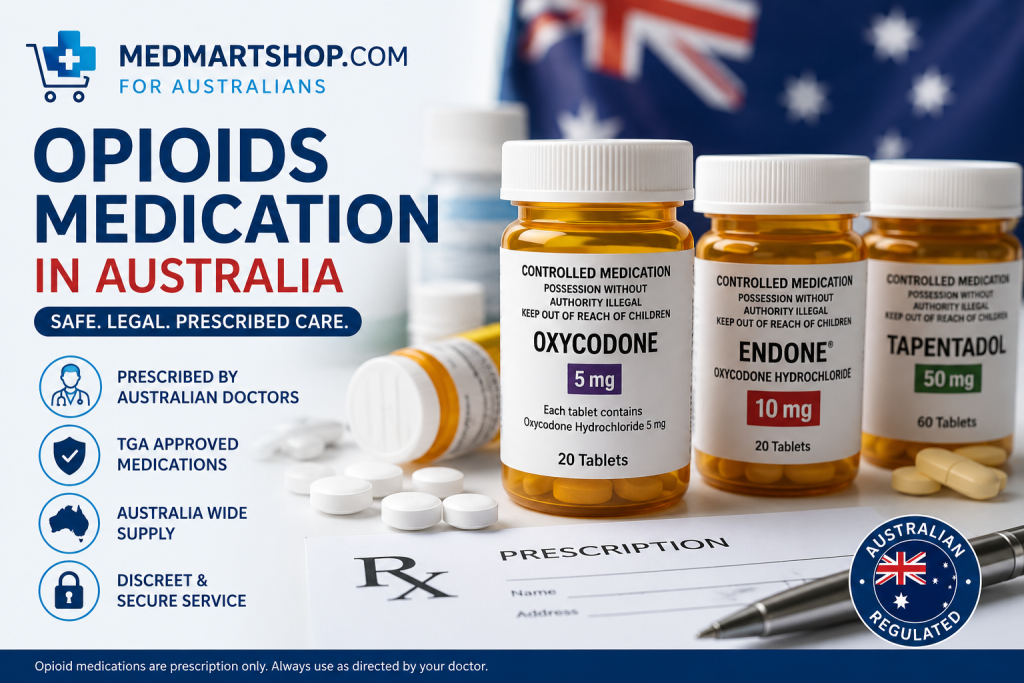
Understanding Codeine in Australia
Codeine is an opioid medication that has historically been used to treat mild to moderate pain and suppress coughs.
For many years, low-dose codeine products were available without a prescription in Australia. However, concerns regarding misuse, dependence, and accidental overdose led to important regulatory changes.
As a result, all codeine-containing medicines became prescription-only in Australia in 2018.
Furthermore, healthcare professionals increasingly recognised that codeine may not always provide superior pain relief compared with other available options.
Consequently, greater attention has been directed toward alternative pain management strategies.
Why Australians Seek Codeine Alternatives
Several factors have contributed to growing interest in alternatives to codeine.
These include:
- Regulatory changes
- Concerns about dependence
- Side effects
- Variable effectiveness
- Availability of newer treatment approaches
Moreover, research has shown that some individuals process codeine differently due to genetic factors.
As a result, pain relief may vary significantly from person to person.
Therefore, healthcare providers often consider alternative treatments that may provide more predictable outcomes.
The Importance of Individualised Pain Management
Pain affects every individual differently.
Consequently, the best alternative to codeine depends on several factors, including:
- Pain severity
- Pain duration
- Medical history
- Current medications
- Age
- Overall health
Furthermore, healthcare professionals increasingly emphasise tailored treatment plans rather than one-size-fits-all solutions.
As a result, Australians now have access to a wider range of pain management options than ever before.
Non-Opioid Codeine Alternatives
Many Australians can effectively manage pain without opioid medications.
Therefore, non-opioid treatments are often considered first.
Paracetamol
Paracetamol remains one of Australia’s most commonly used pain relief medications.
It may help manage:
- Headaches
- Mild arthritis pain
- Muscle pain
- Fever-related discomfort
- Minor injuries
Furthermore, paracetamol is generally well tolerated when used according to instructions.
Consequently, it is often recommended as an initial treatment option.
Non-Steroidal Anti-Inflammatory Drugs (NSAIDs)
NSAIDs help reduce inflammation as well as pain.
Common examples include:
- Ibuprofen
- Naproxen
These medicines may be useful for:
- Arthritis
- Sports injuries
- Back pain
- Dental pain
- Inflammatory conditions
However, NSAIDs may not be suitable for everyone.
Therefore, medical advice should be sought, particularly for individuals with stomach, kidney, or cardiovascular conditions.
Prescription Alternatives to Codeine
When stronger pain relief is required, healthcare professionals may consider prescription alternatives.
However, prescribing decisions are based on individual medical circumstances.
Tramadol
Tramadol is sometimes prescribed for moderate pain.
It works differently from traditional opioids because it also affects neurotransmitters involved in pain processing.
Consequently, it may be appropriate for certain patients under medical supervision.
However, tramadol also carries risks including dependence and medication interactions.
Oxycodone
Oxycodone is a stronger opioid medication used for moderate to severe pain.
It may be prescribed following:
- Major surgery
- Serious injuries
- Cancer treatment
- Severe acute pain episodes
Because oxycodone is a potent opioid, strict prescribing controls apply throughout Australia.
Morphine
Morphine remains one of the most established opioid medications.
It is commonly used for:
- Cancer pain
- Hospital pain management
- Palliative care
- Severe injury-related pain
Furthermore, morphine is carefully monitored to ensure safe use.
Medications for Nerve Pain
Not all pain responds well to opioids.
In fact, nerve pain often requires different treatment approaches.
Therefore, healthcare professionals may prescribe:
- Certain antidepressants
- Certain anticonvulsant medications
These treatments may help manage:
- Neuropathic pain
- Diabetic nerve pain
- Post-herpetic neuralgia
- Chronic nerve-related conditions
Consequently, they may provide better outcomes than codeine for some patients.
Chronic Pain Management Without Codeine
Australia increasingly promotes multidisciplinary pain management strategies.
Rather than relying solely on medications, modern treatment plans often combine multiple approaches.
As a result, patients may achieve more sustainable improvements.
Physiotherapy
Physiotherapy plays a significant role in pain management.
Benefits may include:
- Improved mobility
- Enhanced strength
- Better flexibility
- Reduced pain levels
- Faster recovery
Furthermore, personalised exercise programs can address underlying causes of pain.
Consequently, reliance on medication may decrease over time.
Exercise Therapy
Regular physical activity is increasingly recognised as an effective pain management tool.
Appropriate exercise may help:
- Improve joint function
- Strengthen muscles
- Support weight management
- Enhance overall wellbeing
Moreover, exercise contributes to long-term health benefits beyond pain relief.
Psychological Therapies
Pain affects both physical and emotional wellbeing.
Therefore, psychological support is often incorporated into treatment plans.
Examples include:
- Cognitive Behavioural Therapy (CBT)
- Mindfulness-based approaches
- Stress management strategies
Consequently, patients may develop practical coping skills that improve quality of life.
Occupational Therapy
Occupational therapists help patients maintain independence despite pain.
They may assist with:
- Workplace modifications
- Daily activity planning
- Energy conservation techniques
- Functional rehabilitation
As a result, patients often experience improved confidence and participation in daily life.
Pain Management Clinics in Australia
Australia has a growing network of multidisciplinary pain management clinics.
These clinics may involve:
- Pain specialists
- Physiotherapists
- Psychologists
- Occupational therapists
- Pharmacists
Furthermore, comprehensive assessments help identify the most appropriate treatment options.
Consequently, patients often receive more personalised care.
Australian Regulation of Pain Medications
Australia maintains strict regulation of prescription pain medicines.
Several organisations oversee medicine safety and prescribing practices.
Therapeutic Goods Administration (TGA)
Therapeutic Goods Administration evaluates medicines before they become available to consumers.
Therefore, approved treatments must meet rigorous safety and quality standards.
Pharmaceutical Benefits Scheme (PBS)
Pharmaceutical Benefits Scheme helps eligible Australians access medicines at reduced costs.
Consequently, many pain management medications may be more affordable for qualifying patients.
Real-Time Prescription Monitoring
Many Australian states and territories now use prescription monitoring systems.
These programs help:
- Improve patient safety
- Reduce medication misuse
- Support responsible prescribing
- Enhance treatment oversight
As a result, opioid-related harms may be reduced.
Safety Considerations When Choosing Codeine Alternatives
Every medication carries potential benefits and risks.
Therefore, patients should always consult qualified healthcare professionals before changing treatments.
Important considerations include:
- Existing health conditions
- Current medications
- Allergies
- Pregnancy status
- Age-related factors
Furthermore, regular medical reviews help ensure ongoing treatment safety.
Consequently, treatment plans can be adjusted as needs change.
Managing Acute Pain Without Codeine
Many forms of acute pain can be managed effectively without codeine.
Examples include:
- Dental pain
- Minor injuries
- Headaches
- Muscle strains
- Post-procedure discomfort
Therefore, healthcare professionals often recommend:
- Paracetamol
- NSAIDs
- Physical therapies
- Ice or heat application
- Rest and rehabilitation
As a result, many patients achieve adequate pain control without opioid medicines.
Managing Chronic Pain Without Long-Term Opioids
Long-term opioid use is increasingly being reviewed throughout Australia.
This is because chronic pain often responds better to comprehensive management strategies.
Therefore, treatment plans may include:
- Exercise programs
- Physiotherapy
- Psychological support
- Lifestyle modifications
- Targeted medications
Furthermore, addressing the underlying causes of pain may improve long-term outcomes.
Consequently, patients may experience greater improvements in function and wellbeing.
Lifestyle Strategies That Support Pain Relief
Healthy lifestyle habits can complement medical treatments.
Examples include:
Regular Physical Activity
Appropriate movement helps maintain mobility and strength.
Furthermore, exercise may reduce stiffness and improve mood.
Healthy Nutrition
A balanced diet supports overall health and recovery.
Consequently, some individuals may experience improved energy levels and wellbeing.
Sleep Optimisation
Poor sleep often worsens pain symptoms.
Therefore, establishing healthy sleep habits may support better pain management.
Stress Reduction
Stress can increase pain perception.
As a result, relaxation techniques may help improve comfort and coping abilities.
The Future of Pain Management in Australia
Australian healthcare continues to move toward safer and more comprehensive pain management approaches.
Current priorities include:
- Reducing unnecessary opioid use
- Expanding multidisciplinary care
- Improving patient education
- Increasing access to pain specialists
- Supporting evidence-based treatments
Furthermore, ongoing research continues to improve understanding of pain and treatment effectiveness.
Consequently, Australians are likely to benefit from increasingly personalised and holistic pain management strategies.
Conclusion
Codeine alternatives are widely available in Australia and include both medication and non-medication approaches. While treatments such as paracetamol, NSAIDs, tramadol, oxycodone, and morphine may play important roles in pain management, they are only part of the broader picture.
Furthermore, physiotherapy, exercise therapy, psychological support, occupational therapy, and lifestyle modifications have become increasingly important components of modern pain management.
Therefore, Australians seeking alternatives to codeine should work closely with healthcare professionals to develop individualised treatment plans that address their specific needs. Ultimately, the most effective approach often combines multiple strategies to improve pain control, enhance function, and support long-term wellbeing while minimising medication-related risks.