
Pain Medication in Australia: A Complete Guide to Safe Use, Types, Access, and Regulation
Pain medication in Australia plays a crucial role in managing everyday discomfort, chronic conditions, injuries, and post-surgical recovery. Because pain affects people differently, the Australian healthcare system provides a wide range of medicines under strict regulation to ensure safety, effectiveness, and responsible use.
However, understanding how pain medication works, when to use it, and how it is regulated is essential for every patient. Therefore, this guide explains everything Australians need to know about pain medication, including types, safety rules, pharmacy access, PBS support, and the role of healthcare professionals.
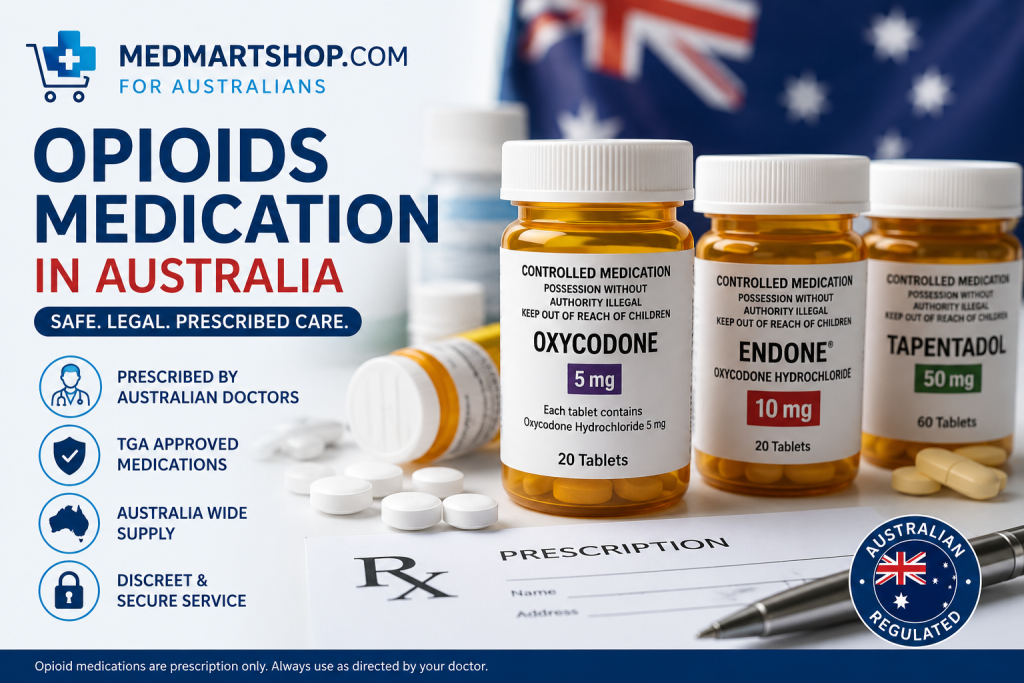
What Is Pain Medication in Australia?
Pain medication refers to medicines used to reduce or manage pain. In Australia, these medications are carefully regulated by the Therapeutic Goods Administration (TGA) to ensure they are safe, effective, and appropriately prescribed.
Therapeutic Goods Administration oversees the approval and safety of all medicines, including pain relief products. As a result, Australians are protected from unsafe or ineffective treatments.
Moreover, pain medications are available in different strengths and categories depending on the severity of pain. Therefore, doctors and pharmacists play a key role in selecting the right treatment for each patient.
Main Types of Pain Medication in Australia
Pain medications in Australia are generally grouped into three main categories. Each category is used depending on pain intensity, duration, and medical condition.
1. Over-the-Counter (OTC) Pain Relief
These medications are available without a prescription and are commonly used for mild pain.
Examples include:
- Paracetamol
- Ibuprofen
- Aspirin (limited use cases)
Furthermore, these medicines are often used for headaches, muscle pain, fever, and minor injuries. However, correct dosing remains important because misuse can still cause harm.
2. Pharmacist-Only Medicines
These medications require consultation with a pharmacist before purchase.
Examples include:
- Higher-strength anti-inflammatory gels
- Combination pain relief products
- Certain topical treatments
Additionally, pharmacists assess whether these medicines are suitable before supplying them. Therefore, patient safety is maintained even without a doctor’s prescription.
3. Prescription Pain Medications
Stronger pain medications require a doctor’s prescription.
Examples include:
- Tramadol
- Oxycodone
- Morphine
- Tapentadol
- Pregabalin and gabapentin (nerve pain treatments)
Because these medicines can cause dependence or side effects, they are tightly controlled across Australia.
How Pain Medication Works in the Body
Pain medications work in different ways depending on their type. For example, paracetamol reduces pain signals in the brain, while anti-inflammatory drugs reduce swelling and inflammation.
Meanwhile, opioid medications bind to receptors in the brain and spinal cord. As a result, they change how the body perceives pain.
Furthermore, nerve pain medications work by calming overactive nerve signals. Therefore, each type of pain medication targets a different pain pathway.
However, because of these differences, correct diagnosis is essential before starting treatment.
Role of Pharmacies in Pain Medication Access
Pharmacies in Australia are a key part of the healthcare system. They do more than simply dispense medicine.
Pharmacists:
- Review prescriptions for safety
- Check for drug interactions
- Provide dosage instructions
- Offer pain management advice
- Monitor long-term medication use
In addition, pharmacists are highly trained healthcare professionals who help ensure safe medication use in the community.
Moreover, Australian pharmacies are regulated by strict national standards to ensure quality and safety.
Prescription Pain Medication and Regulation
Prescription pain medications are tightly controlled in Australia due to their potential risks.
These medicines are regulated by:
- TGA (Therapeutic Goods Administration)
- Pharmacy Board of Australia
- AHPRA (Australian Health Practitioner Regulation Agency)
- State and territory health departments
Because of this strong regulatory system, medications are prescribed only when medically necessary.
Furthermore, doctors must regularly review patients using long-term pain medication to ensure continued safety and effectiveness.
PBS and Cost Support in Australia
The Pharmaceutical Benefits Scheme (PBS) helps make pain medications more affordable for Australians.
Pharmaceutical Benefits Scheme provides financial support for eligible medications.
Through PBS, patients may pay reduced prices for prescription pain relief, depending on their condition and eligibility.
However, not all medications are fully subsidised, and some require specific clinical approval. Therefore, doctors must follow strict guidelines when prescribing PBS-listed pain medicines.
Common Conditions Treated with Pain Medication
Pain medication in Australia is used to treat a wide range of conditions, including:
- Headaches and migraines
- Back and neck pain
- Arthritis and joint pain
- Muscle injuries
- Post-surgical pain
- Dental pain
- Nerve-related pain
- Chronic pain conditions
Additionally, pain management is often combined with physiotherapy or lifestyle changes for better long-term results.
Opioid Pain Medications in Australia
Opioids are strong prescription pain medications used for severe pain. However, they are prescribed with caution due to risks of dependence and side effects.
Common opioid medications include:
- Morphine
- Oxycodone
- Tramadol
- Fentanyl (in specific medical settings)
Because of their strength, opioids are usually reserved for short-term use or severe chronic pain under specialist supervision.
Moreover, doctors aim to reduce opioid use whenever possible by using alternative treatments.
Safety and Side Effects of Pain Medication
Although pain medications are effective, they can cause side effects depending on the type and dosage.
Common side effects include:
- Nausea
- Drowsiness
- Dizziness
- Stomach irritation
- Constipation
More serious risks may include:
- Liver damage (overuse of paracetamol)
- Kidney issues (long-term NSAID use)
- Dependence (opioid medications)
- Allergic reactions
Therefore, patients should always follow medical advice carefully.
Safe Use of Pain Medication in Australia
Safe medication use is essential to prevent harm and ensure effectiveness.
Patients should:
- Follow dosage instructions exactly
- Avoid mixing medications without advice
- Not share prescription medicines
- Store medicines safely away from children
- Avoid alcohol with certain pain medications
Furthermore, regular check-ups help ensure medications remain appropriate for ongoing use.
Role of Doctors and Pain Specialists
Doctors and pain specialists play a central role in pain management.
They:
- Diagnose the cause of pain
- Prescribe appropriate medication
- Monitor side effects
- Adjust treatment plans
- Recommend non-drug therapies
In addition, pain specialists often combine medication with rehabilitation, counselling, or physical therapy for better outcomes.
Non-Drug Pain Management Options
Because long-term medication use may carry risks, Australia encourages non-drug pain management strategies.
These include:
- Physiotherapy
- Exercise programs
- Cognitive Behavioural Therapy (CBT)
- Heat and cold therapy
- Massage therapy
- Nerve blocks or injections
Moreover, combining these approaches often improves recovery and reduces reliance on medication.
Risks of Misuse and Overuse
Misuse of pain medication can lead to serious health problems.
Warning signs include:
- Taking higher doses than prescribed
- Using medication for non-medical reasons
- Early refill requests
- Mixing medications without advice
If these signs appear, medical review is necessary immediately.
Therefore, healthcare providers closely monitor patients who use strong pain medications.
Storage and Disposal of Pain Medication
Proper storage is important for safety and compliance.
Patients should:
- Store medication in a secure place
- Keep out of reach of children
- Do not share medicines
- Return unused medicines to pharmacies
Additionally, safe disposal programs help prevent misuse in the community.
The Future of Pain Management in Australia
Pain management in Australia is evolving rapidly. With advances in telehealth, digital prescriptions, and new treatment methods, access to care is becoming easier and safer.
Furthermore, healthcare providers are increasingly focusing on:
- Reducing opioid dependence
- Expanding non-drug therapies
- Improving chronic pain services
- Enhancing patient education
As a result, Australians can expect safer and more effective pain management in the future.
Conclusion
Pain medication in Australia is carefully regulated to ensure safety, effectiveness, and responsible use. Because of strong oversight from organisations like the TGA and PBS, patients can access a wide range of treatments for different types of pain.
However, safe use remains essential. Therefore, patients should always follow medical advice, use medications responsibly, and explore non-drug alternatives when appropriate.
Ultimately, effective pain management in Australia relies on a balanced approach that combines medication, professional guidance, and lifestyle strategies to achieve the best possible outcomes.