
What Is the Best Medication for Nerve Pain Australia? A Complete Guide
Introduction
Nerve pain, also known as neuropathic pain, affects many Australians and can make everyday activities difficult. Unlike pain caused by an injury or inflammation, nerve pain results from damage or dysfunction within the nervous system. People often describe it as burning, tingling, shooting, stabbing, or electric shock-like pain. Fortunately, Australian healthcare professionals have access to several evidence-based medications and treatment options to help manage these symptoms. The best medication depends on the underlying cause, the severity of the pain, and each person’s overall health.
What Causes Nerve Pain?
Nerve pain may develop because of:
- Diabetes
- Shingles
- Sciatica
- Multiple sclerosis
- Spinal cord injuries
- Stroke
- Chemotherapy
- Surgery
- Trigeminal neuralgia
Therefore, identifying the underlying cause is essential before starting treatment.
What Is the Best Medication for Nerve Pain in Australia?
There is no single medication that works best for everyone. Instead, Australian doctors choose treatment based on the patient’s symptoms, medical history, and response to previous therapies.
Pregabalin
Pregabalin is one of the most commonly prescribed medicines for neuropathic pain in Australia. It works by calming overactive nerve signals and may also improve sleep in people with persistent pain.
Gabapentin
Gabapentin is another first-line treatment for many types of nerve pain, including diabetic neuropathy and post-herpetic neuralgia. It reduces abnormal nerve activity and can help decrease pain intensity over time.
Duloxetine
Duloxetine is an antidepressant that also treats diabetic nerve pain and some chronic musculoskeletal pain conditions. It helps regulate chemicals in the brain that influence pain perception.
Amitriptyline
Low-dose amitriptyline is frequently used to manage chronic nerve pain. In addition to reducing pain, it may improve sleep quality for some patients.
Carbamazepine
Carbamazepine is considered the preferred treatment for trigeminal neuralgia, a condition that causes severe facial nerve pain. Many people experience significant symptom relief with this medicine.
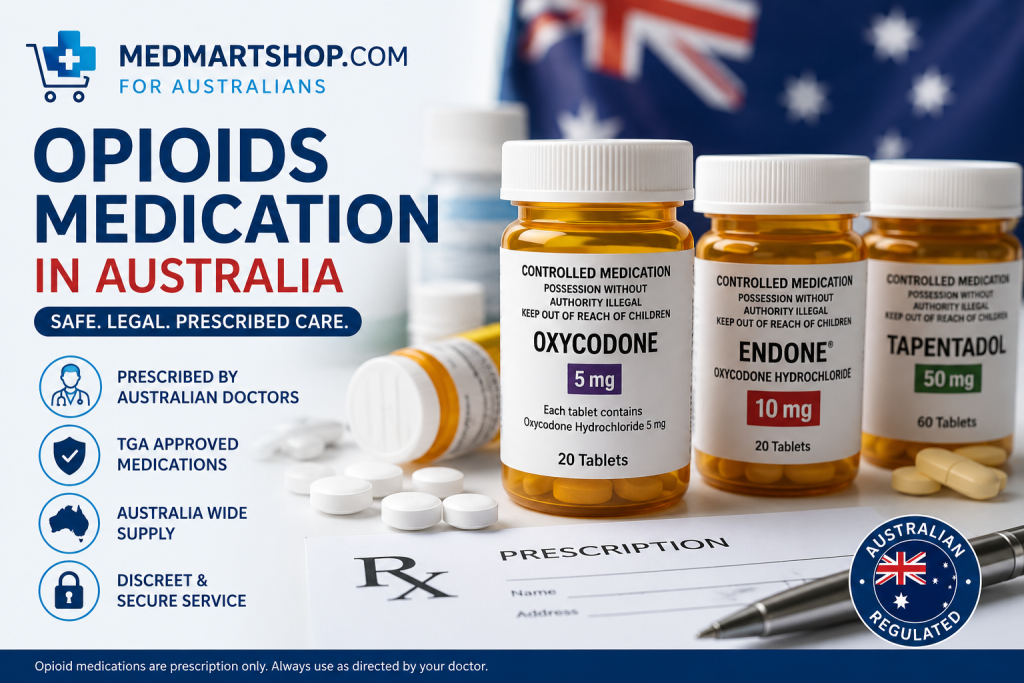
Opioids
Medicines such as tramadol or oxycodone may occasionally be prescribed for severe nerve pain when other treatments have not provided adequate relief. However, Australian clinical guidelines generally do not recommend opioids as a first-line treatment because long-term use carries risks of dependence, tolerance, and serious side effects.
Are These Medicines Available in Australia?
Yes. Most nerve pain medicines require a prescription from a registered Australian medical practitioner. Additionally, some medications are subsidised through the Pharmaceutical Benefits Scheme (PBS) for eligible patients, helping reduce the cost of treatment. Your doctor or pharmacist can advise whether a particular medicine is covered.
Possible Side Effects
Although these medicines can be effective, they may cause side effects, including:
- Drowsiness
- Dizziness
- Dry mouth
- Weight gain
- Blurred vision
- Constipation
- Difficulty concentrating
Therefore, medicines should always be taken exactly as prescribed, and any concerns should be discussed with a healthcare professional.
Other Treatments for Nerve Pain
Medication is often only one part of a comprehensive treatment plan. Australian healthcare providers may also recommend:
- Physiotherapy
- Regular low-impact exercise
- Cognitive Behavioural Therapy (CBT)
- Occupational therapy
- Pain management programs
- Healthy sleep habits
- Stress management techniques
Furthermore, combining medication with physical rehabilitation and lifestyle changes often leads to better long-term outcomes than medication alone.
When Should You See a Doctor?
You should seek medical advice if:
- Pain lasts longer than three months.
- Symptoms become more severe.
- Pain interferes with work or daily activities.
- You develop numbness or muscle weakness.
- Current treatment is no longer effective.
Early diagnosis and treatment can help improve pain control and reduce complications.
Frequently Asked Questions
What is the best medicine for nerve pain in Australia?
Many Australian doctors prescribe pregabalin, gabapentin, duloxetine, amitriptyline, or carbamazepine, depending on the cause and severity of the condition.
Are opioids recommended for nerve pain?
Not usually. They may be used in selected cases, but Australian guidelines generally recommend other medicines first because of the risks associated with long-term opioid use.
Can nerve pain be cured?
Some causes of nerve pain improve when the underlying condition is treated. However, many people require ongoing management to control symptoms and maintain their quality of life.
Conclusion
The best medication for nerve pain in Australia varies from person to person. Medicines such as pregabalin, gabapentin, duloxetine, amitriptyline, and carbamazepine are commonly prescribed because they have been shown to help many people with neuropathic pain. However, medication alone is rarely enough. Combining prescribed medicines with physiotherapy, exercise, psychological support, and healthy lifestyle habits often provides the best results. If you are experiencing persistent nerve pain, consult your GP or a pain specialist for an accurate diagnosis and a personalised treatment plan that meets your individual needs.